
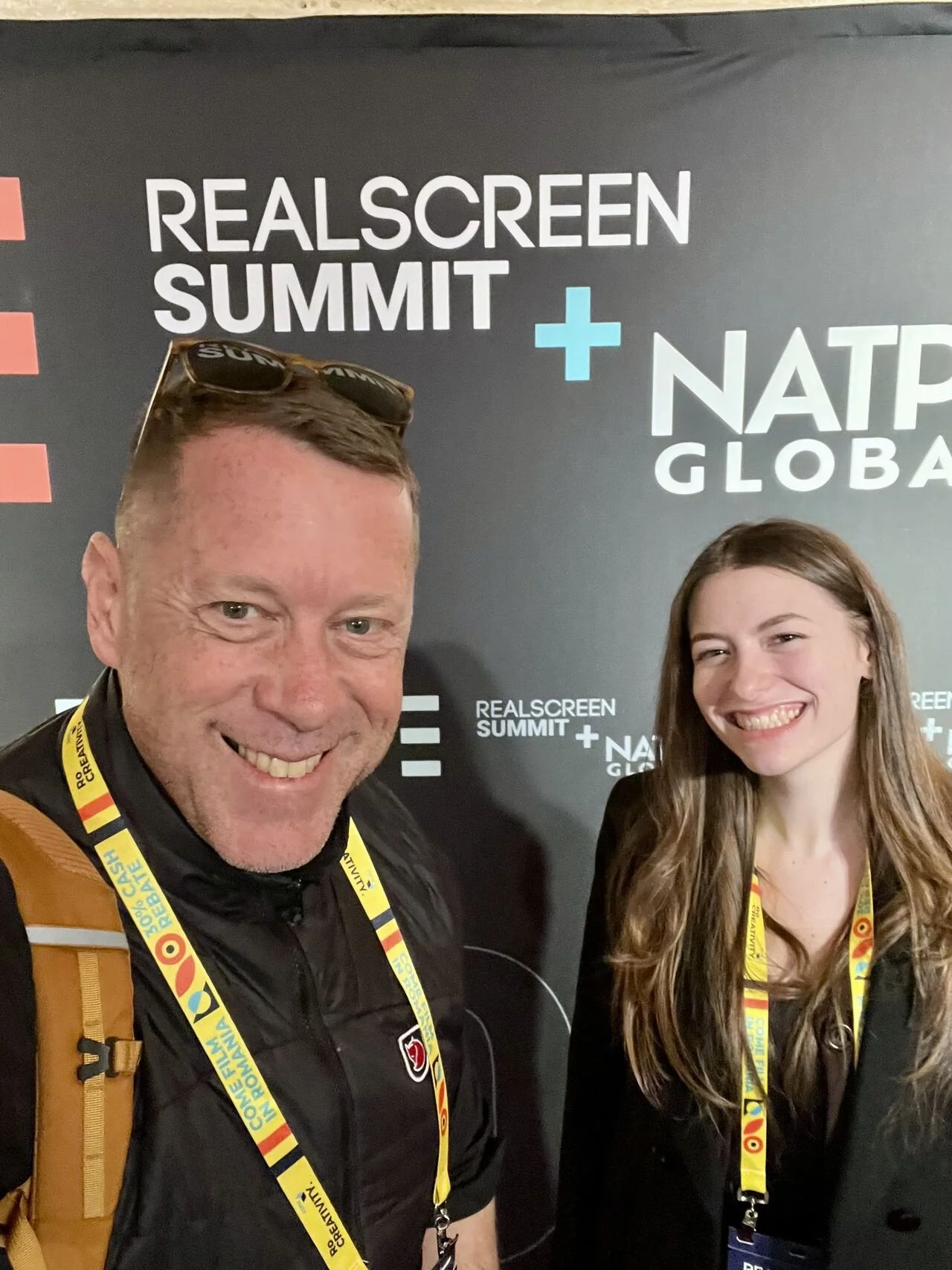
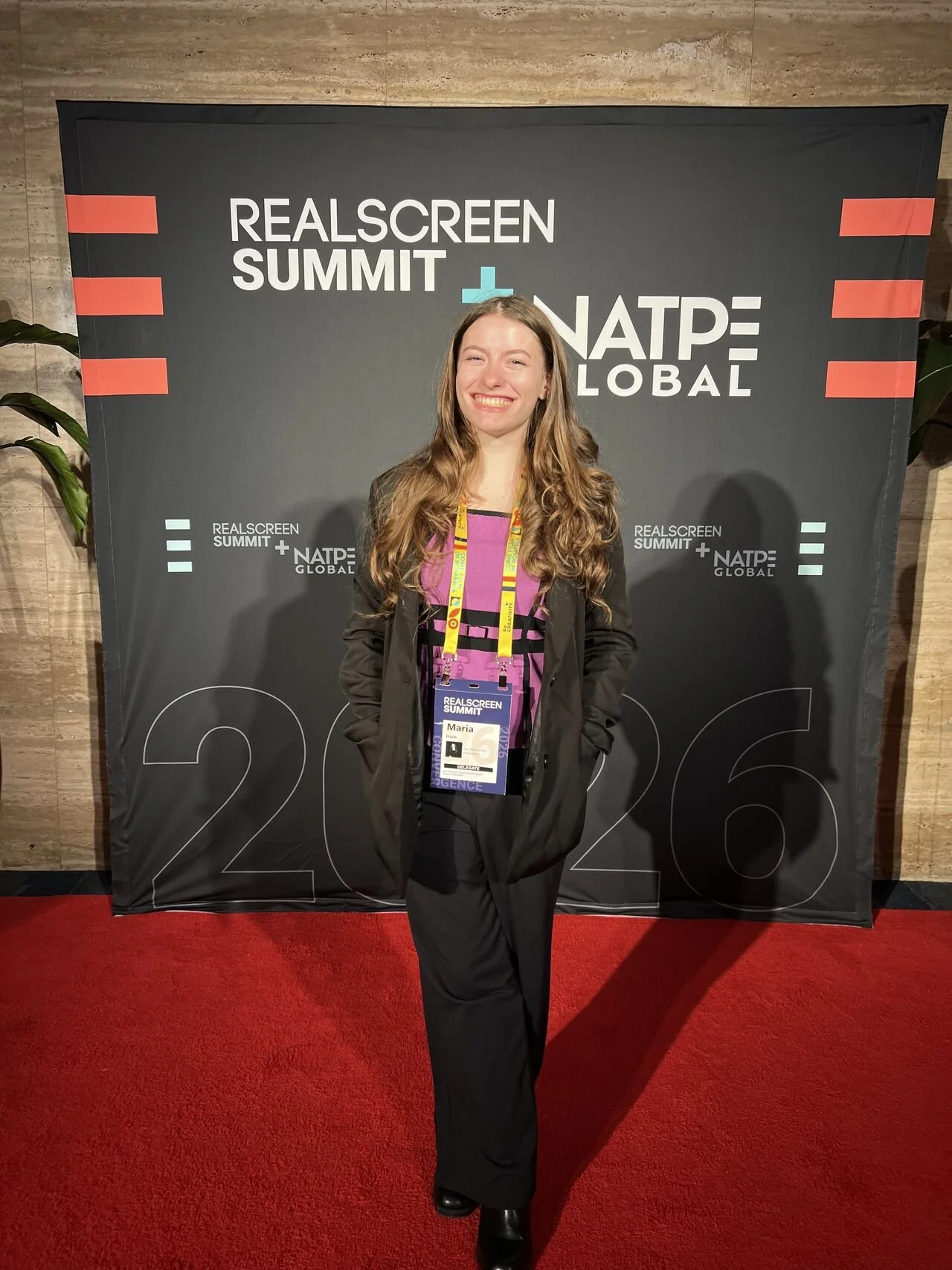
Recently, the Two Doors Down team traveled to Miami to attend Realscreen Summit 2026, one of the most influential global gatherings dedicated to nonfiction, documentary, and unscripted storytelling.
Realscreen is more than a conference. It functions as a real-time pulse check on the industry. Networks, platforms, studios, producers, creators, and emerging brands all come together not only to discuss what is working, but to examine how audience expectations are evolving across platforms and formats. It is a space where ideas are pitched, partnerships are formed, and the direction of nonfiction storytelling becomes clearer.
For Two Doors Down, attending was not simply about being present. It was about proximity to change. As our work continues to expand across branded social campaigns, premium documentaries, and long-form IP development, staying close to these conversations ensures that the stories we craft for our clients remain culturally relevant and strategically forward-thinking. The summit offered an invaluable opportunity to listen, learn, and engage directly with the leaders actively shaping the nonfiction landscape.
The industry is not slowing down. It is accelerating.
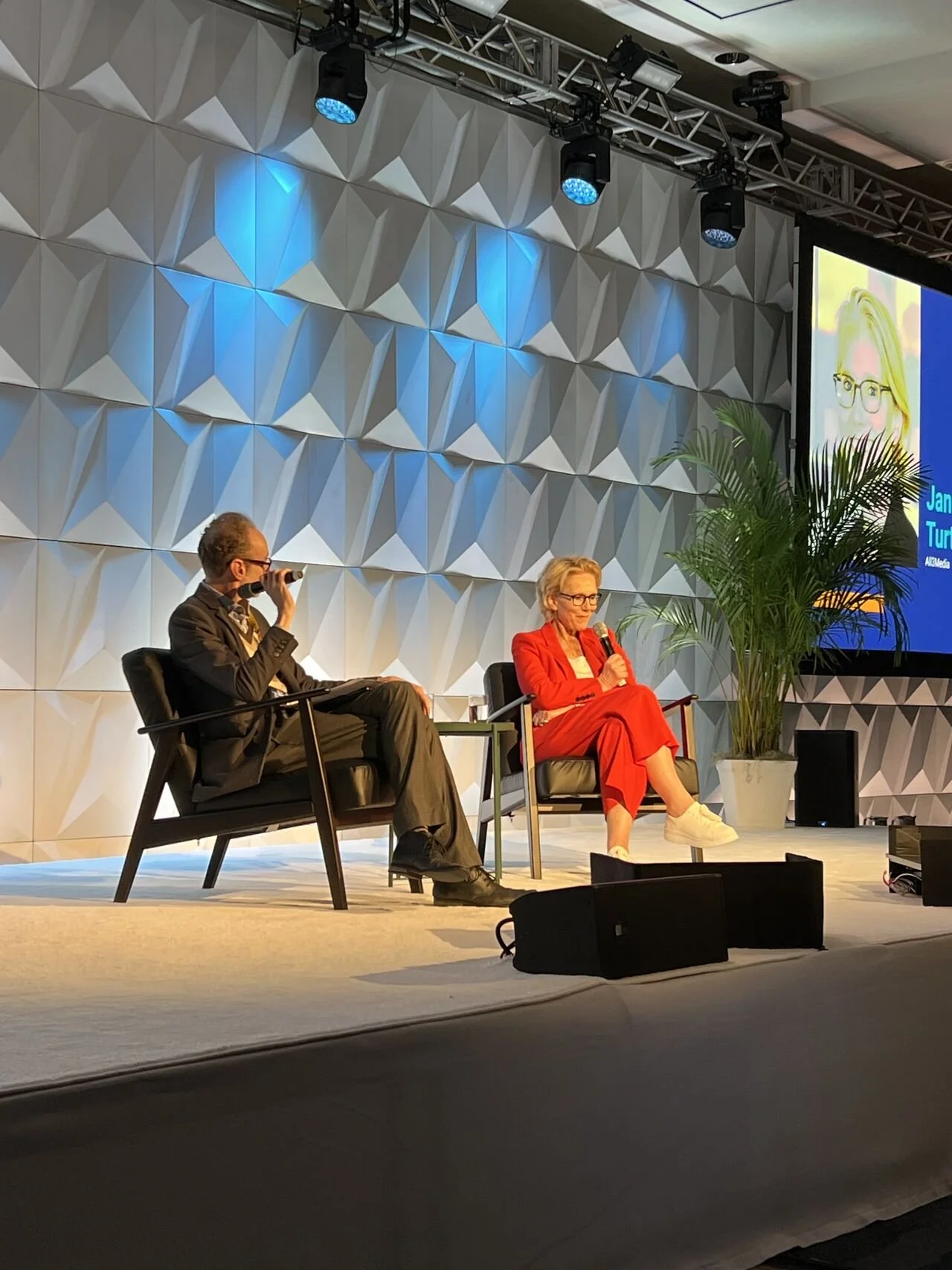
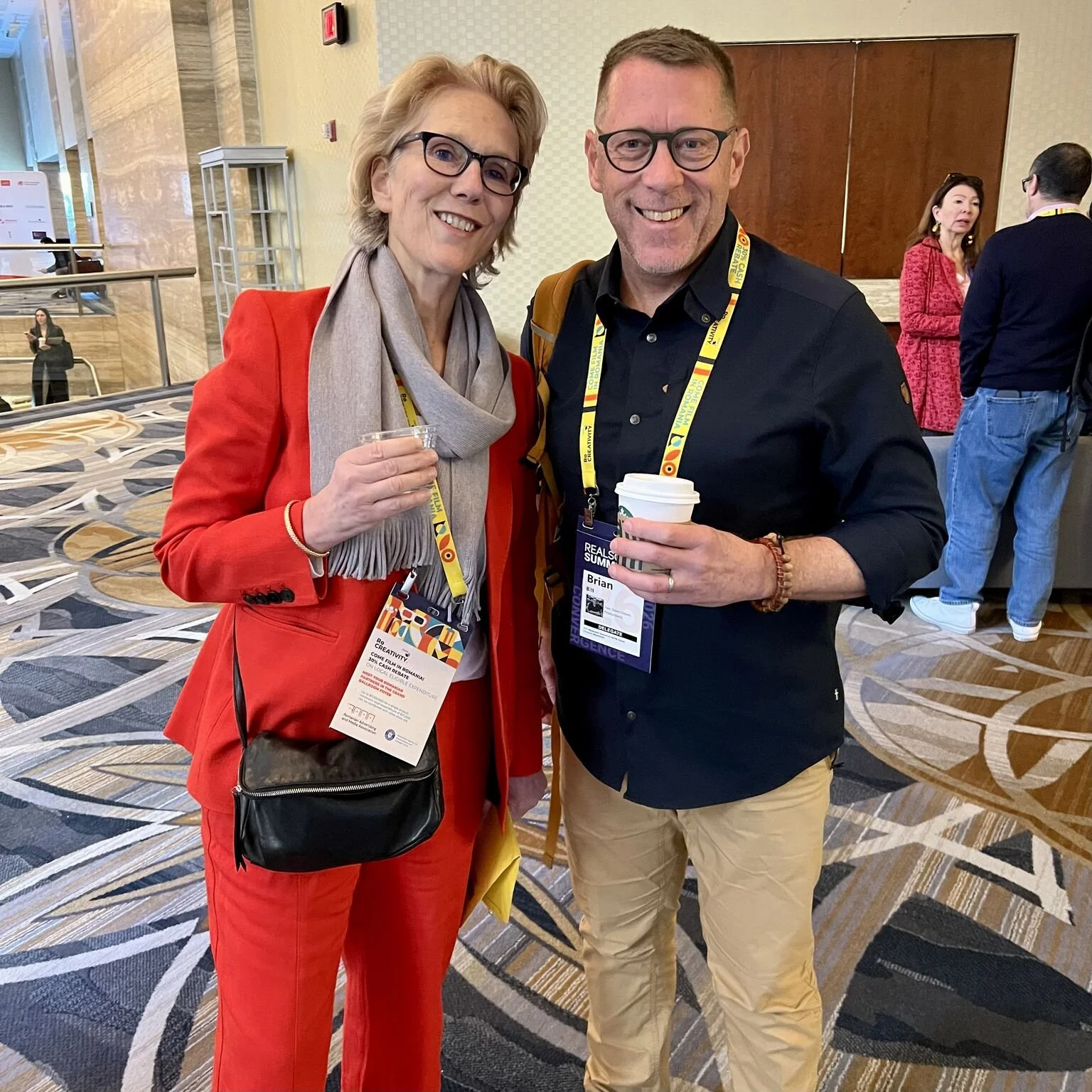
A Front Row Seat to an Industry in Acceleration
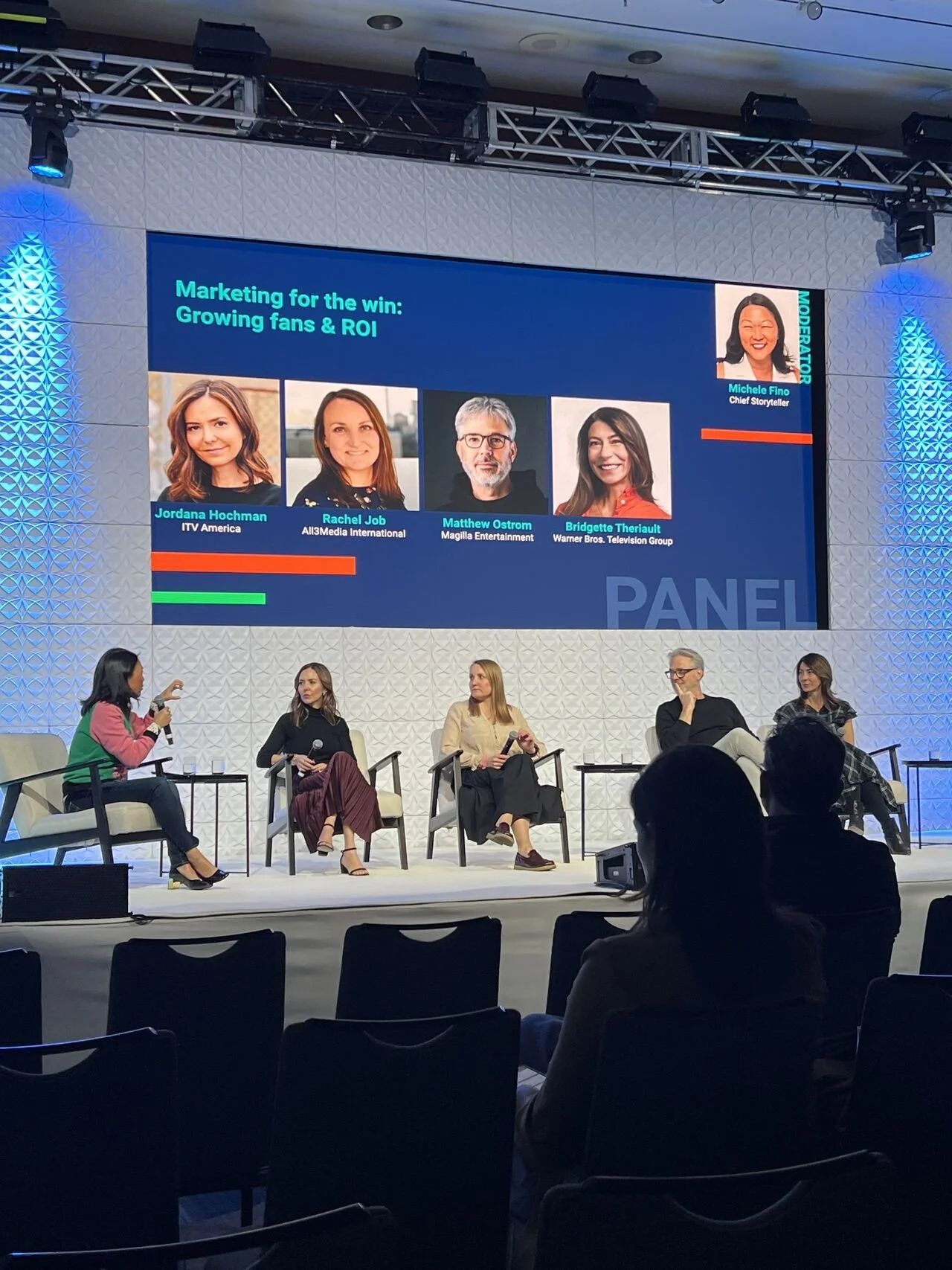
Throughout the week, we attended panels and private conversations with executives and producers from companies including Warner Bros, Discovery, All3Media, Roku, YouTube, Fremantle, Audible, Bell Media, Little Dot, and so many more. Their perspectives truly helped reinforce just how quickly the nonfiction sector is transforming.
Through all of the guided information, one theme surfaced repeatedly: we are living in an era of massive expansion known as the “abundance era.”
There are more platforms than ever, leading to more competition, and more ways for content to be distributed globally. Documentary storytelling is not niche, but rather evolving into something foundational. Audiences are not just consuming nonfiction content. They are seeking it out as a primary source of insight, connection, and entertainment.
In this environment, the challenge is not whether stories will be made, but which stories will stand out (and why). That distinction has profound implications for brands and studios alike.
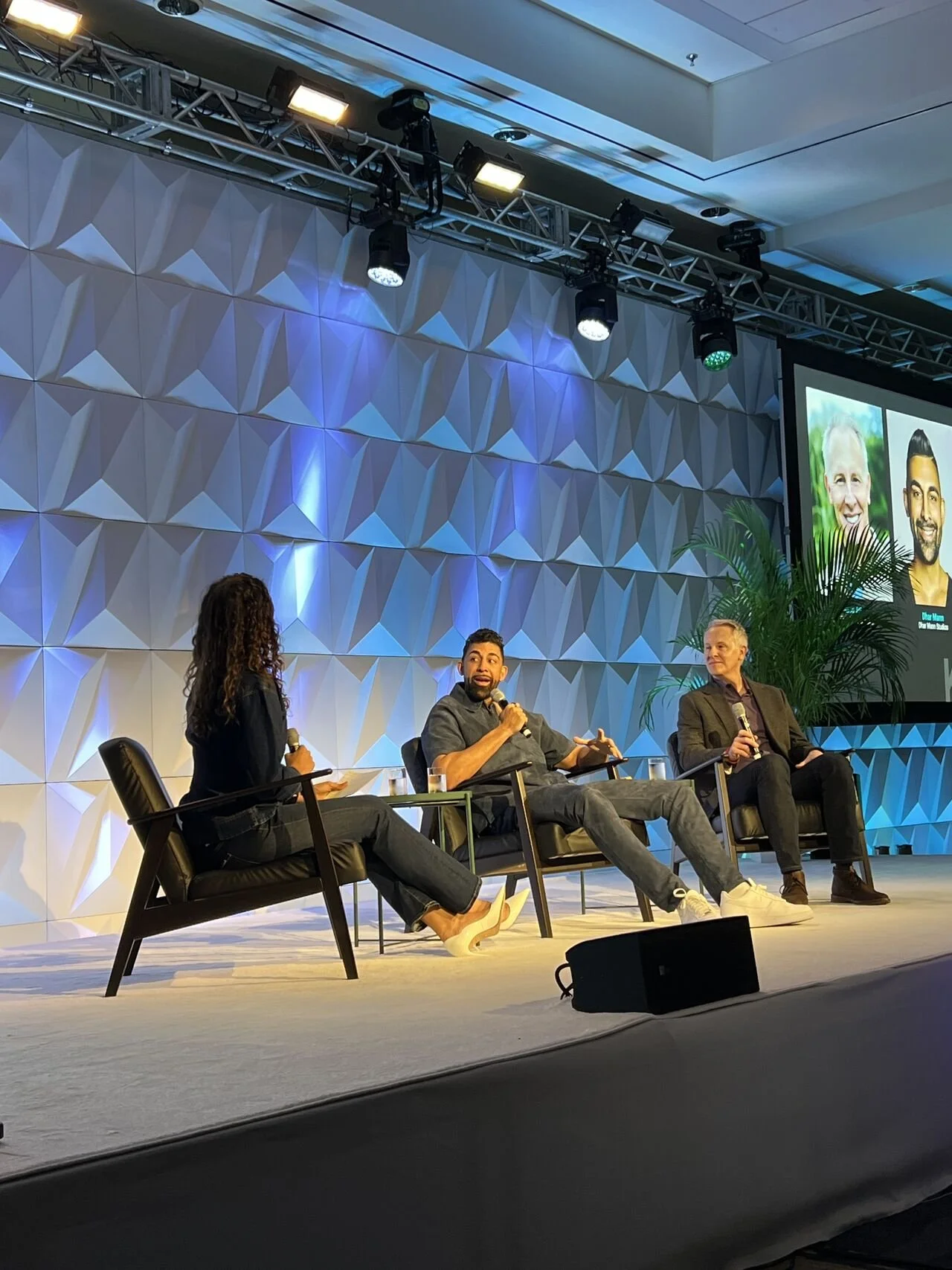
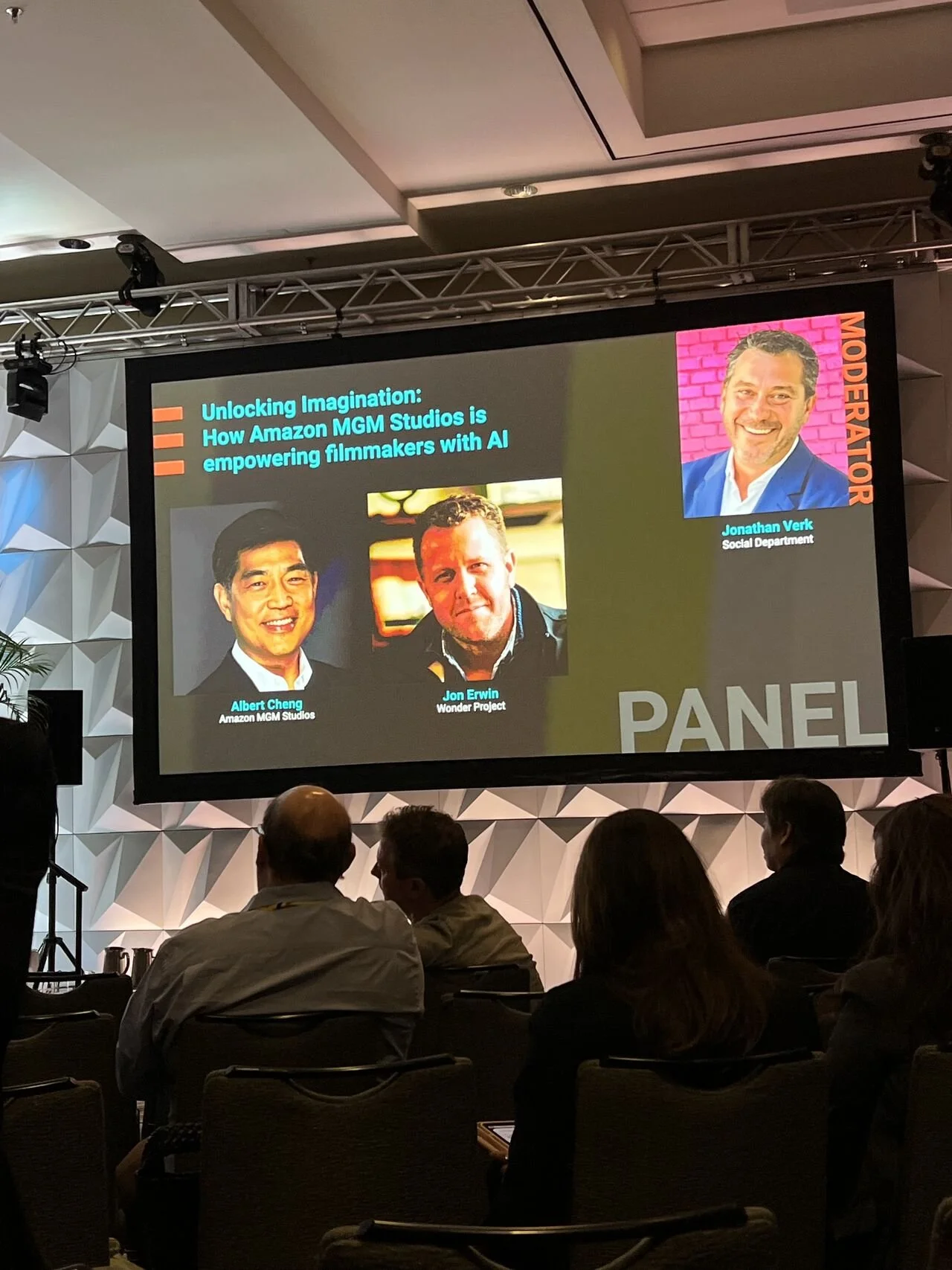
Key Takeaway #1: Video Podcasts Are the New Talk Shows
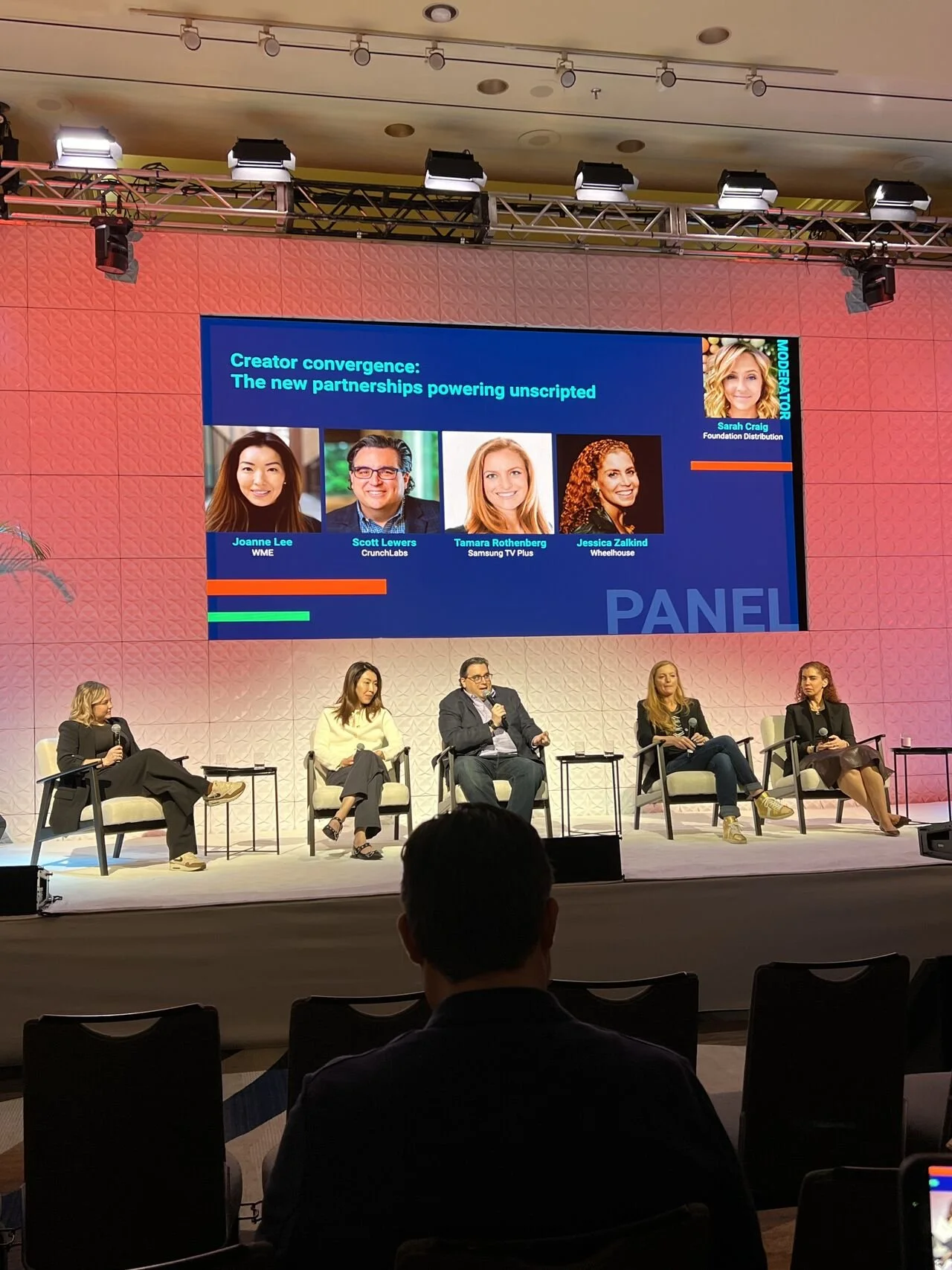
One of the most consistent discussions at the summit centered on the rise of the video podcast. What was once considered an audio-first medium has now evolved into something far more expansive. Video podcasts are increasingly functioning as this generation’s talk shows, serving simultaneously as interview platforms, cultural commentary spaces, brand ecosystems, and distribution engines.
Because they live across platforms like YouTube, Spotify, TikTok, and Instagram, video podcasts offer both depth and reach. For brands, this format presents unique advantages:
Long-form storytelling that builds trust
Formats that can be repurposed into multiple content layers
A structure that supports consistent engagement over time
The larger takeaway was not simply about format innovation. It was about authenticity. Executives emphasized that audiences gravitate toward conversations that feel genuine and aligned. When brands enter the podcast space thoughtfully – whether through founder storytelling, subject-matter leadership, or documentary-style episodic content – they are not just launching campaigns. They are building a sustained cultural presence that is essential to long-term value.
The future of conversation-driven storytelling is visual, portable, and multi-faceted.
Key Takeaway #2: Multi-Platform Storytelling Is Now the Default
A second major theme was that single-platform thinking is no longer viable. Today, projects are developed with an ecosystem mindset from the outset. An overview video or a hero piece is often only the beginning. The strongest projects are designed to expand into:
Cutdowns for socials
Behind-the-scenes extensions
Podcast adaptations
Community-driven engagement
Platform native distribution
Studios like Little Dot discussed how layered distribution is now fundamental to success. Content thrives when it exists in multiple forms that reinforce one another (rather than in isolated deliverables). This reflects a larger industry shift toward intentional, multi-platform architecture.
For our TDD team, this affirmed the importance of how we approach brand storytelling. Our objective is not to create a single asset that performs briefly, but rather to develop cohesive story systems that scale across formats while maintaining creative integrity and strategic alignment.
Key Takeaway #3: The Shift From Audience to Fandom
One particularly thought-provoking conversation focused on the difference between an audience and cultivating a fandom. An audience watches, but a fandom participates. In today’s content-saturated environment, passive attention is fleeting. What endures is deep, emotional connection.
The most successful nonfiction projects are not measuring view counts; they are fostering community and loyalty. They invite viewers into an identity rather than just presenting information. For brands, this represents a meaningful shift. The goal is no longer just to reach an audience, but to resonate.
When storytelling creates a sense of belonging, it builds long-term brand equity and cultural relevance. Those connections compound over time, strengthening campaigns and also aiding the entire brand ecosystem.
Key Takeaway #4: Brand Storytelling & Documentary Storytelling Are Converging
Perhaps the most consistent message across the summit was the continued convergence of brand-funded content and documentary-level craft. Brands are increasingly seeking storytelling that mirrors the emotional depth and authenticity of premium nonfiction programming. They do not want to advertise. They want stories that matter.
The conversations we had at Realscreen emphasized the importance of authenticity, audience alignment, long-term partnerships, and trust over trend chasing. Audiences are quick to identify content that exists solely for visibility, and they respond to work that feels rooted in truth and purpose.
This convergence reinforced the opportunity for brands willing to invest in meaningful storytelling. Documentaries are no longer reserved for festivals or streaming platforms. They have become a competitive advantage within the marketing ecosystem.
At Two Doors Down we creatively embed this notion into our production process. For organizations willing to approach content with intention, the impact can extend far beyond a traditional campaign cycle.
Key Takeaway #5: AI & the New Development Workflow
Artificial intelligence continues to be an emerging tool within nonfiction development. Platforms like NotebookLM were discussed as part of the next generation of creative workflow. They help streamline complex operations like synthesizing research, organizing transcripts, identifying themes, and accelerating early stage development.
As projects expand across multiple platforms and generate increasingly large volumes of material, AI can assist in managing the scale and complexity. The ultimate goal is not automation, but rather allowing creative teams to dedicate more time to refining narrative perspectives and emotional resonance.
Key Takeaway #6: Discoverability & Distribution Are Part of the Creative Process
In today’s landscape, we’ve learned that strong storytelling must be paired with strategic packaging.
Executives at Realscreen spoke about how distribution is no longer an afterthought. Discoverability, metadata, genre signaling, and audience targeting must be considered during development, not after production.
Even in documentaries, significant platforms were highlighted as essential infrastructure. Not only for for festival submissions, but for building momentum, visibility, and community around a project. We spoke to representatives from Discovery Channel, History Channel, and Warner Bros. who echoed this sentiment.
Understanding how projects are evaluated in pitch rooms and how platforms assess market fit provided valuable clarity. Strategic packaging now plays an essential role in determining whether a story gains traction. For brands and studios alike, this means that creative vision and distribution planning must evolve together.
Key Takeaway #7: Relationship Building Still Drives the Industry
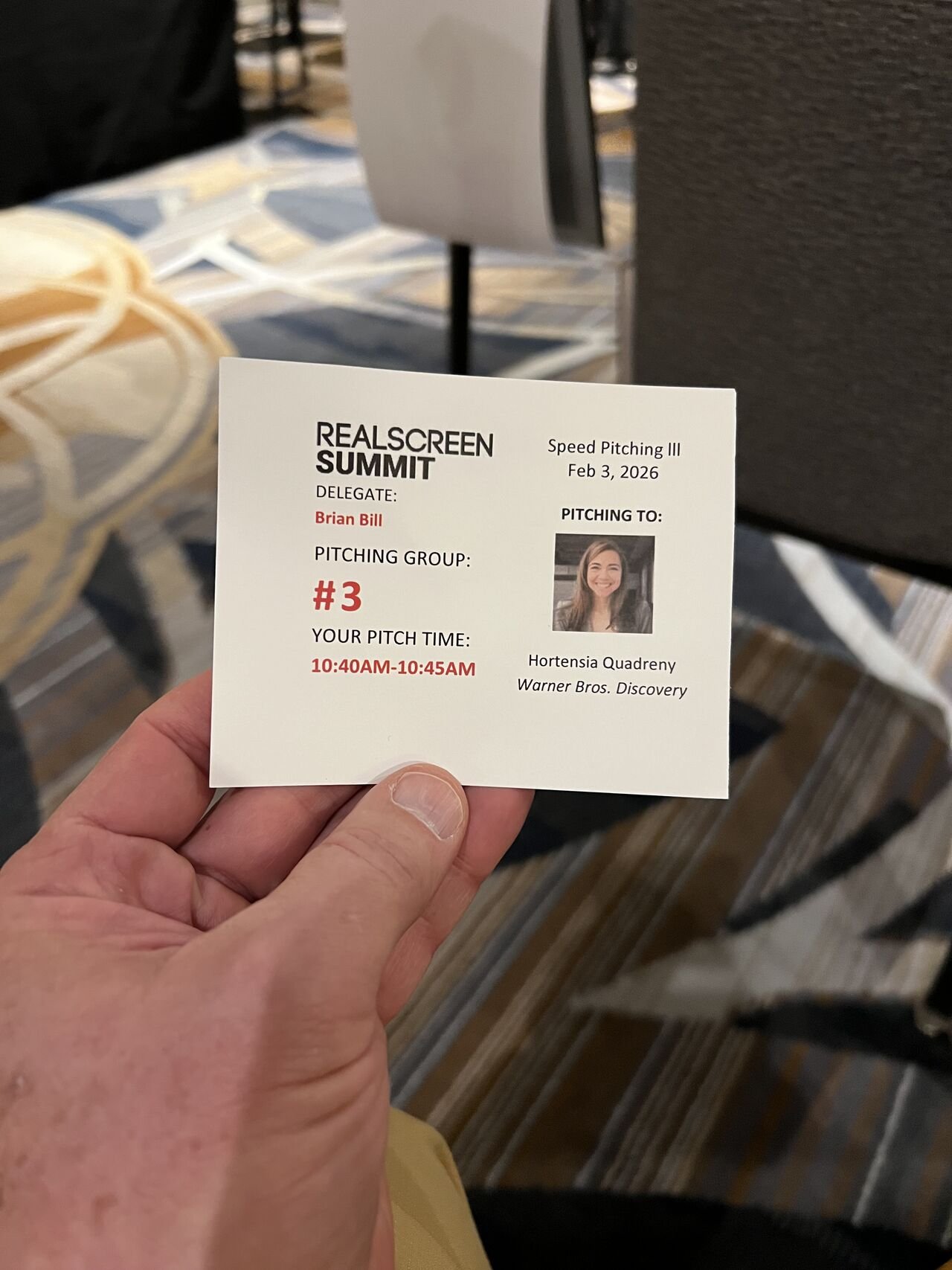
Despite the rapid technological and structural changes within the industry, one constant remains: relationships drive progress. The summit made space for both formal pitches and informal conversations, each offering insight into how trust and collaboration continue to influence creative concepts.
We had the opportunity to pitch four original documentaries currently in development at TDD Films:
Heartwood
Tide and Table
A Way with Murder
Solid Soul
These discussions offered perspective on where premium nonfiction is heading and how projects are being evaluated in today’s market.
Why This Matters for Our Clients
For the organizations we partner with, these insights are not theoretical. They signal a broader transformation in how stories are built and distributed:
Unscripted is rising
Platforms are multiplying
Audiences are becoming fandoms
Brands are operating more like studios
Video podcasts are becoming talk shows
Marketing is becoming a layered ecosystem
Documentary-level craft is becoming a competitive advantage
By attending Realscreen Summit, Two Doors Down ensured that our creative and strategic decisions are informed by where the industry is moving, not where it has been. We returned from Miami energized, informed, and aligned in our belief that the most impactful work is rooted in authenticity, built with intention, and designed to endure.
The future of storytelling belongs to those who are willing to build thoughtfully, adapt strategically, and remain close to the conversations shaping what comes next.