
Some films take months to plan. Honoring Our Veterans: An Honor Flight to Washington, DC, the Veterans Day film we produced and directed for Meta, came together in six days.
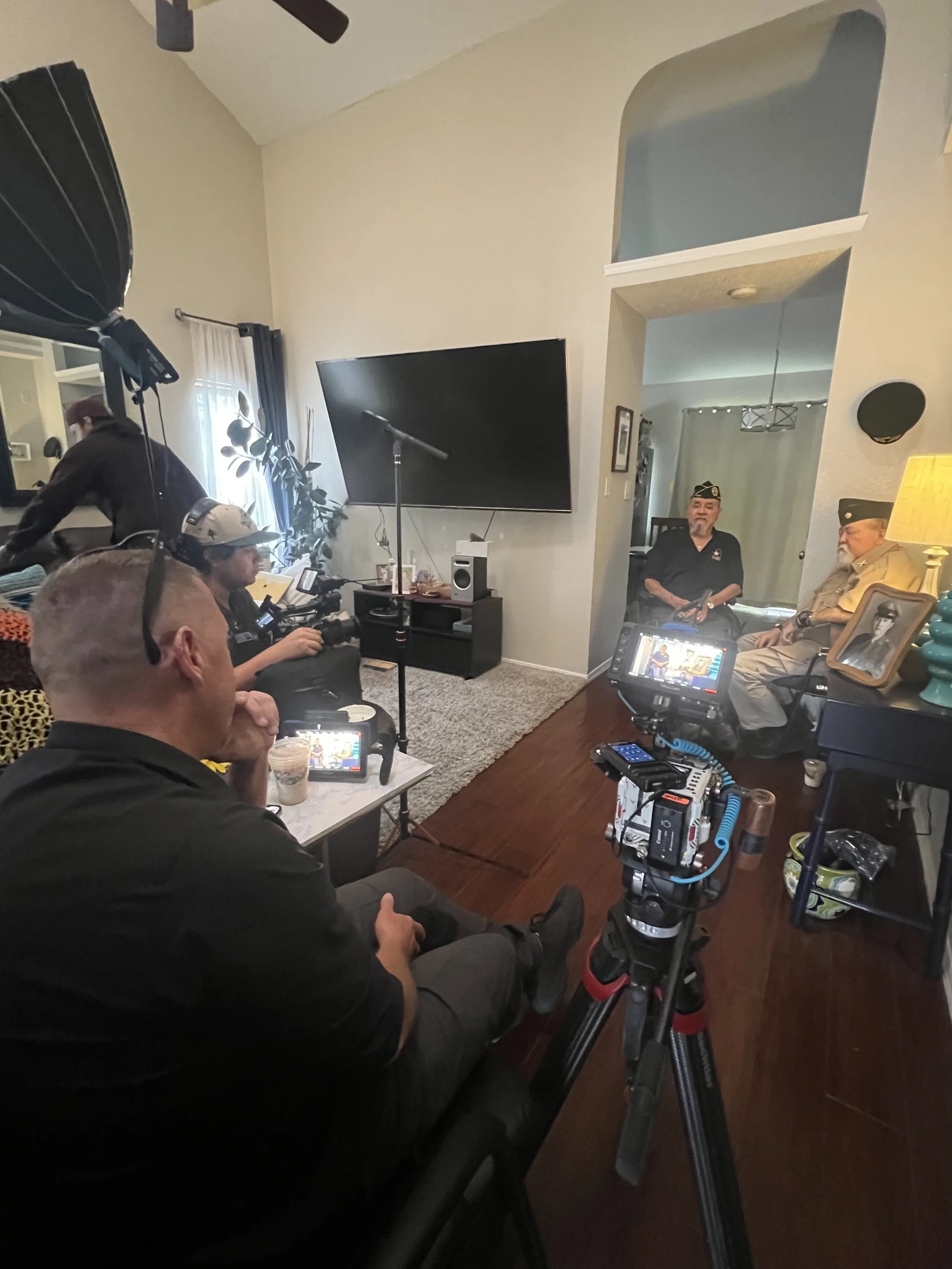
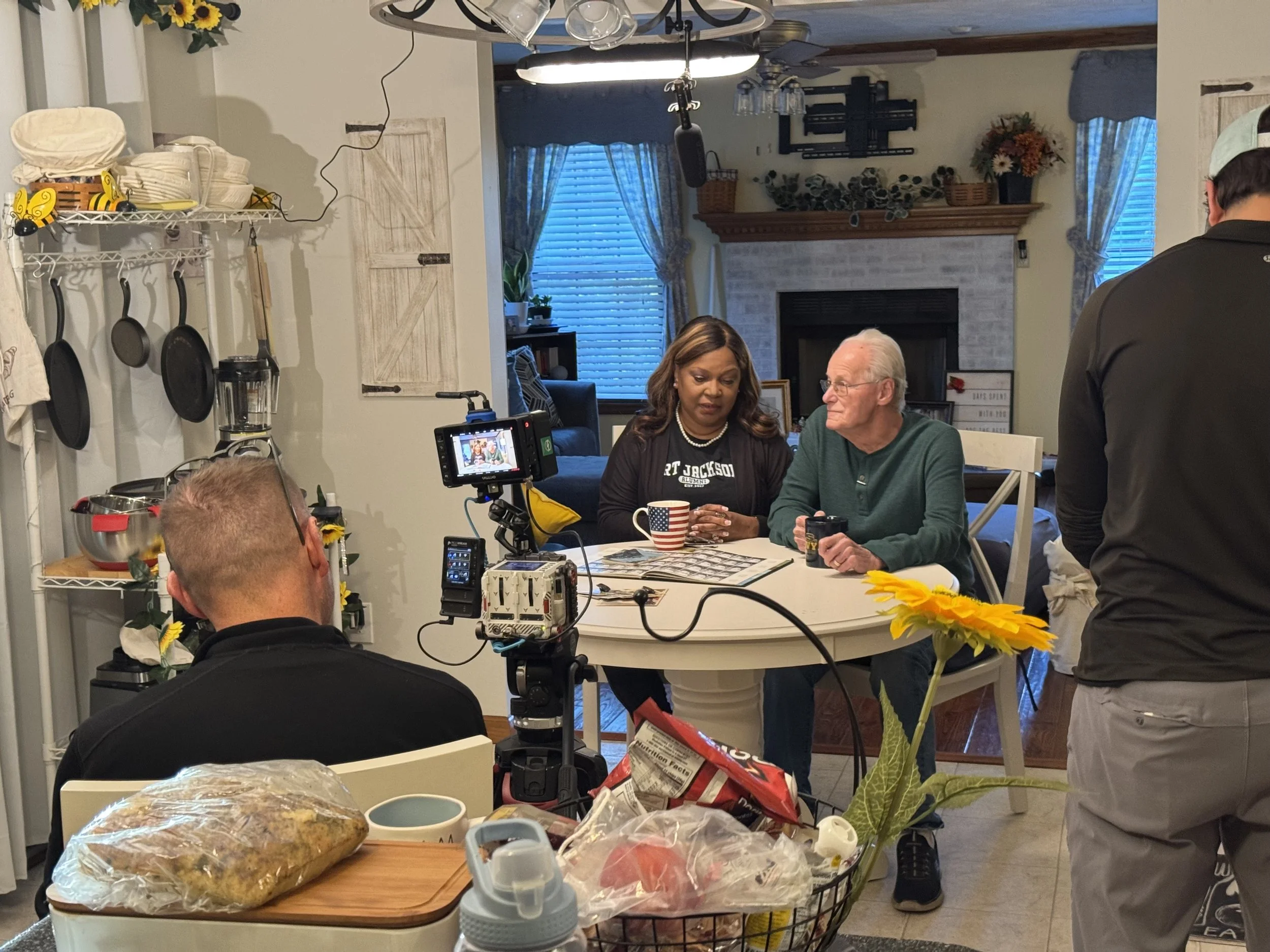
In that time, our team at Two Doors Down Productions coordinated filming in Louisiana, Indiana, Texas, and Washington, D.C. We followed six veterans from their homes to our nation's capital. We documented their Honor Flight journeys (donor-funded trips to Washington, D.C. for military veterans) and the deeply personal experience of visiting memorials dedicated to military service.
The assignment was creatively ambitious. The logistics were another story entirely.
Six veterans. Four crews filming simultaneously. Three incoming flights. Four airports. An on-site editing team. And a November 11th deadline that could not move.
Six Days to Build a Production
Normally, a project spanning several states, airports, airlines, and federal memorials would have weeks of preparation. We had less than one.
Our producers coordinated veteran interviews, crew travel, equipment, schedules, releases, insurance certificates, filming approvals, and a production plan that could adapt as flights and access changed. We also had to develop the story while preparing to shoot it.
This wasn't a commercial where we could control every location or repeat a performance. We were documenting genuine moments. A veteran arriving in Washington, stepping off an aircraft, or seeing a memorial that could happen only once. Our crews needed to be ready without getting in the way.
Permits, Airports, Airlines, and Water Cannons
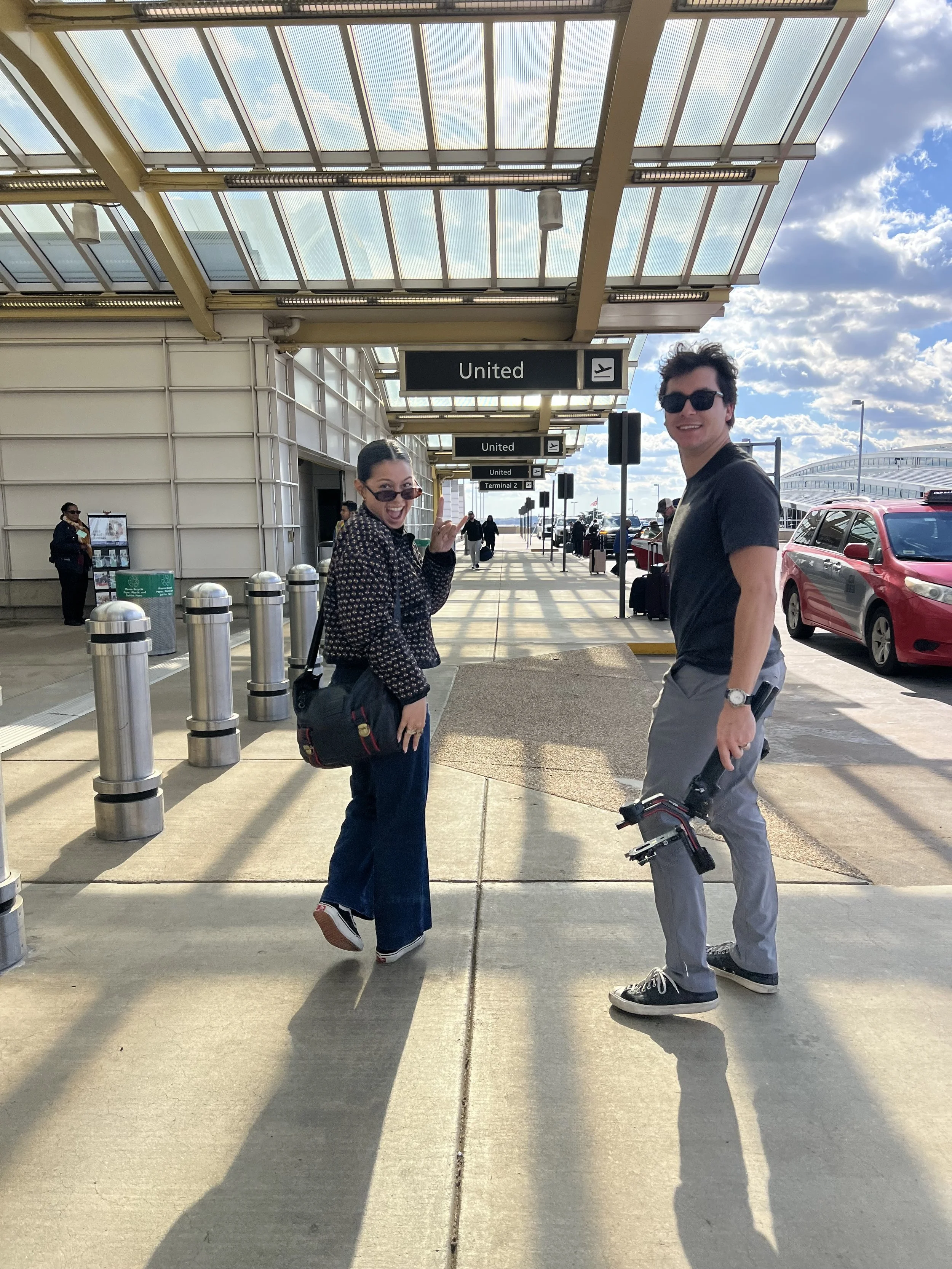
Obtaining permission to film in Washington, D.C., is challenging even with a generous lead time. We needed to navigate filming requirements at the memorials, coordinate with the appropriate authorities, and provide insurance and production documentation.
Ronald Reagan Washington National Airport, known as DCA, added another complicated layer. We wanted to film our veterans arriving, including the ceremonial water cannon salutes that welcomed their Honor Flights. Those images would be visually powerful, but capturing them meant securing appropriate access, identifying safe camera positions, and tracking exact arrival times.
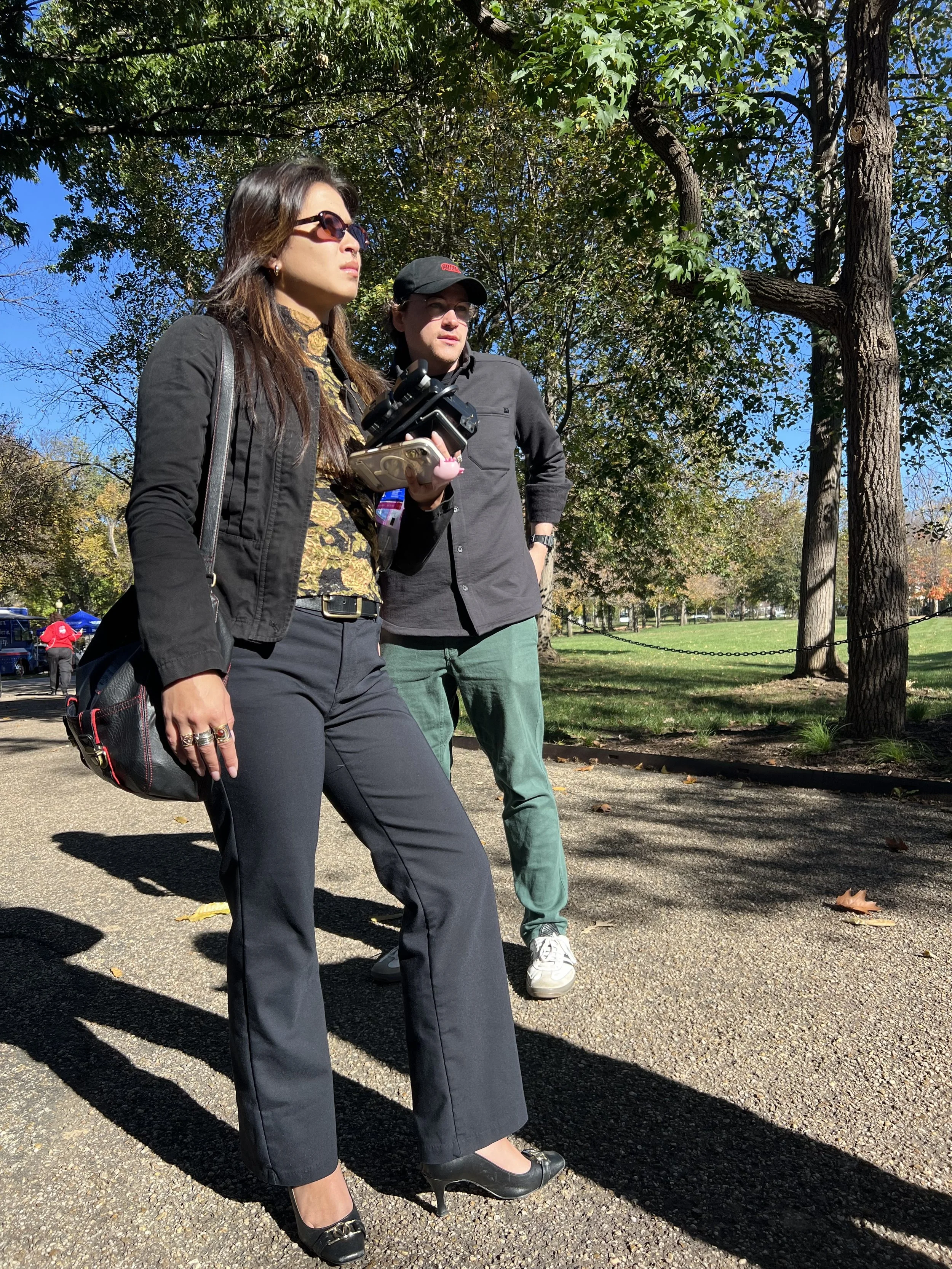
Meanwhile, our veterans were departing from Houston, New Orleans, and Indianapolis. Each airport required its own conversations about permits, security, crew access, and insurance. An approval at one airport didn't mean an approval at another.
We also worked through filming arrangements involving United and American Airlines. We wanted to capture the small moments onboard: a veteran looking through a window, talking with a fellow traveler, or quietly considering the day ahead. Filming aboard commercial flights brought its own restrictions and coordination challenges.
It was a remarkable amount of behind-the-scenes work for moments that might last only seconds in the finished film.
Four Crews, One Day
Our most complex production day put four camera crews in motion across the country at the same time.
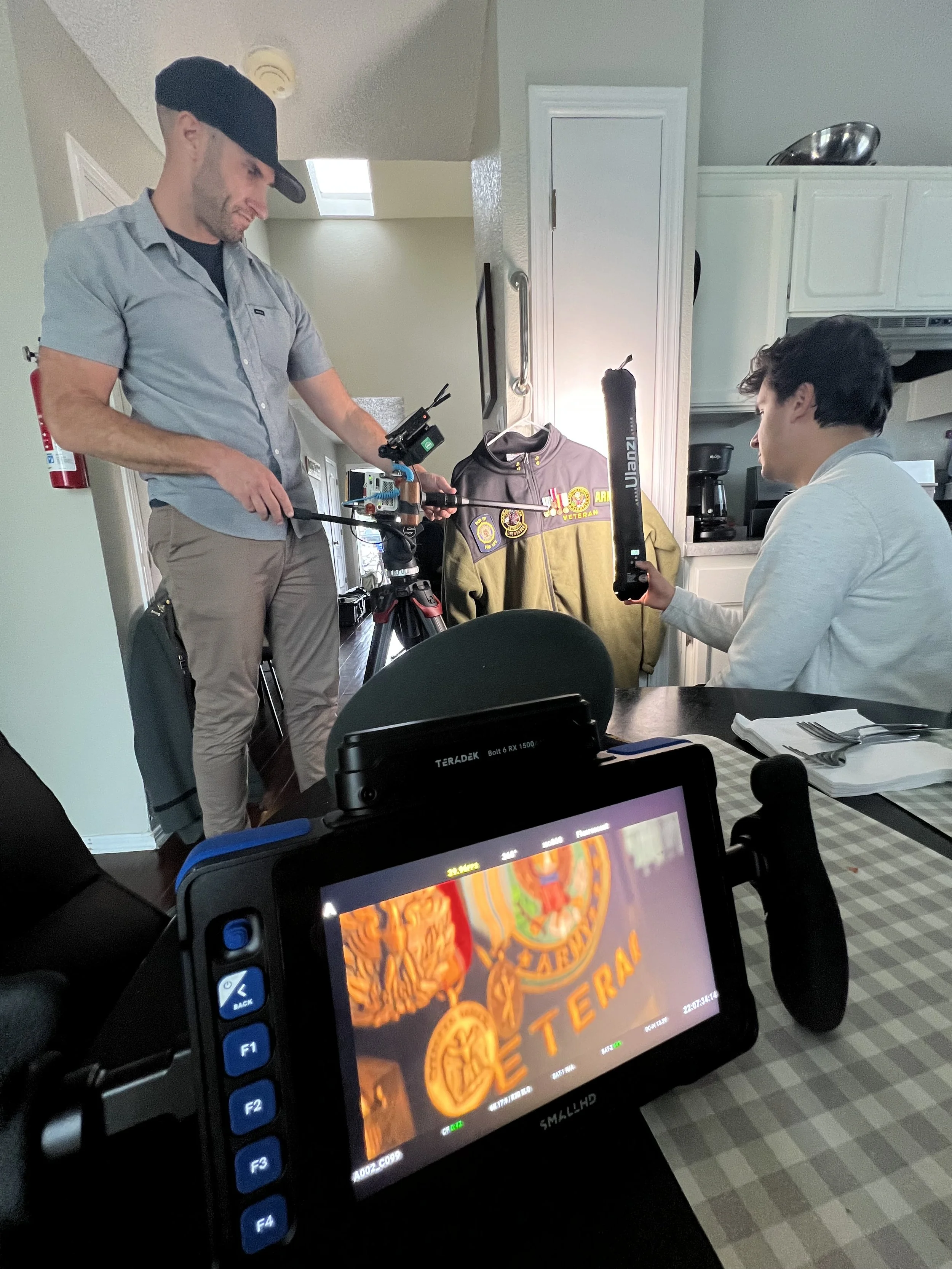
Three crews traveled with veterans on their flights to Washington. A fourth crew was already on the ground at DCA, positioned to film the landings, water cannon salutes, and arrivals.
We were effectively running four productions on one interconnected schedule. Flight delays could change a camera position. Airport restrictions could affect a shot. Everyone needed to communicate constantly, anticipate what might happen next, and make decisions quickly.
And while the cameras were rolling, our post-production operation was running alongside them.
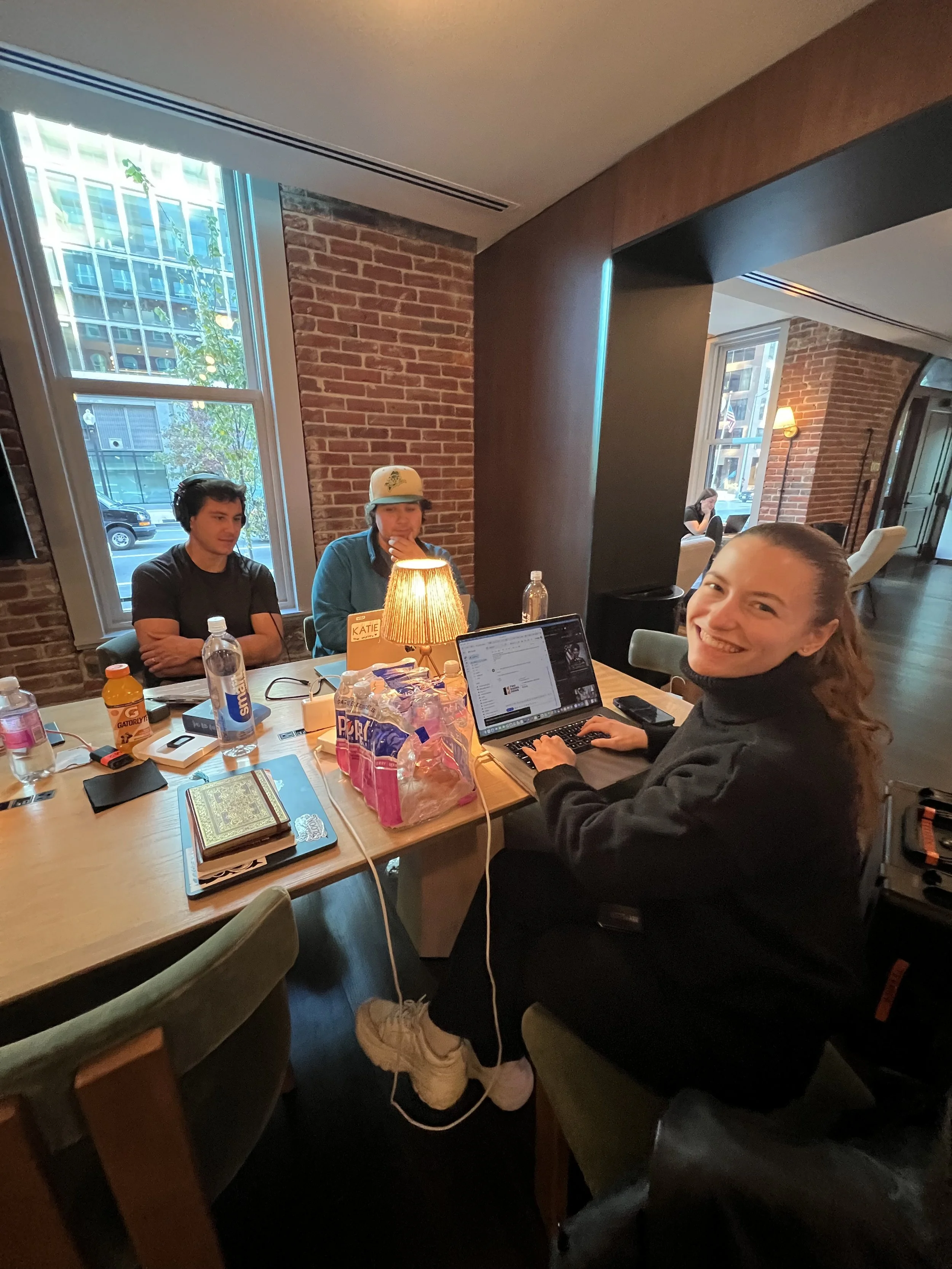
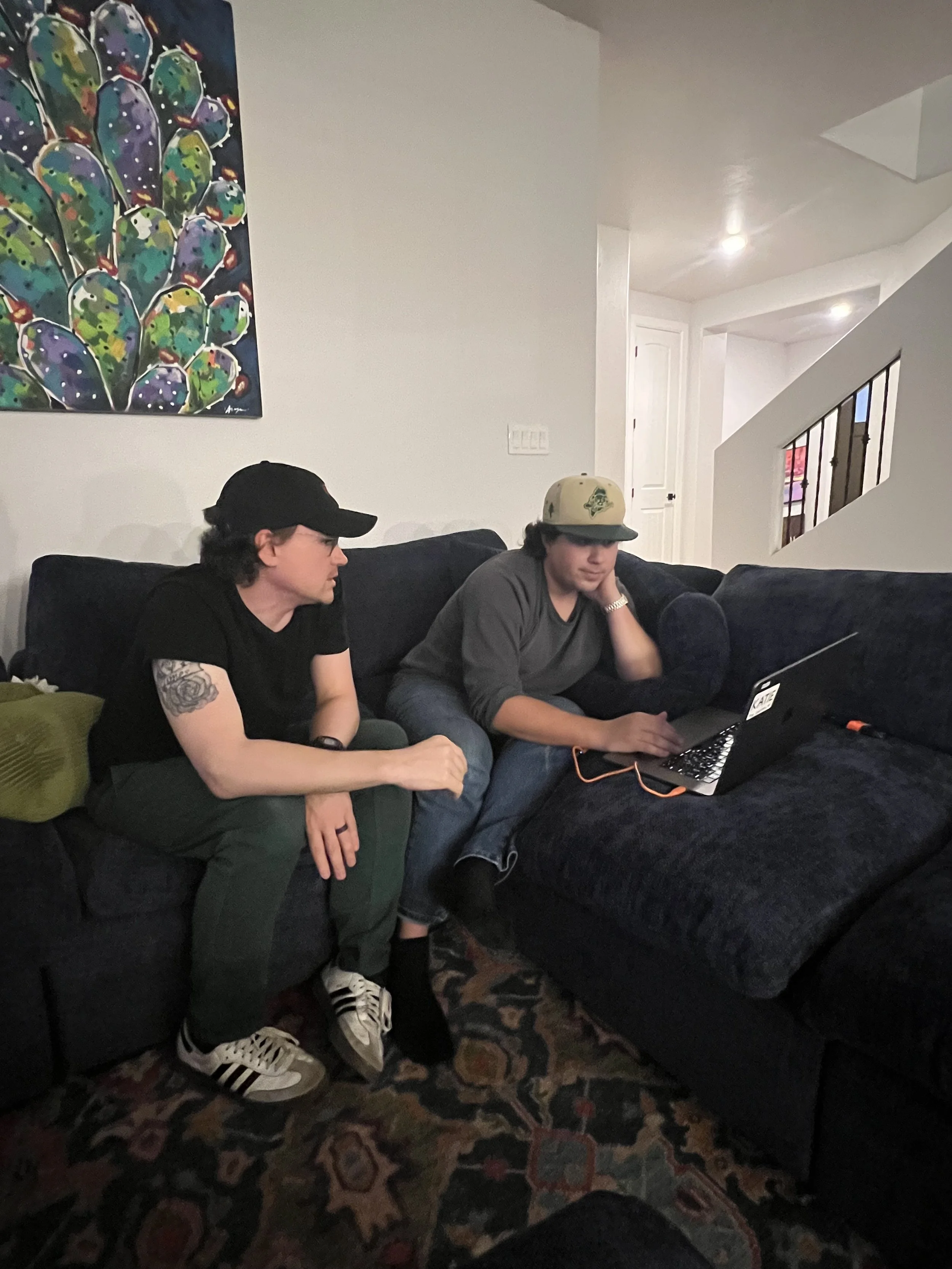
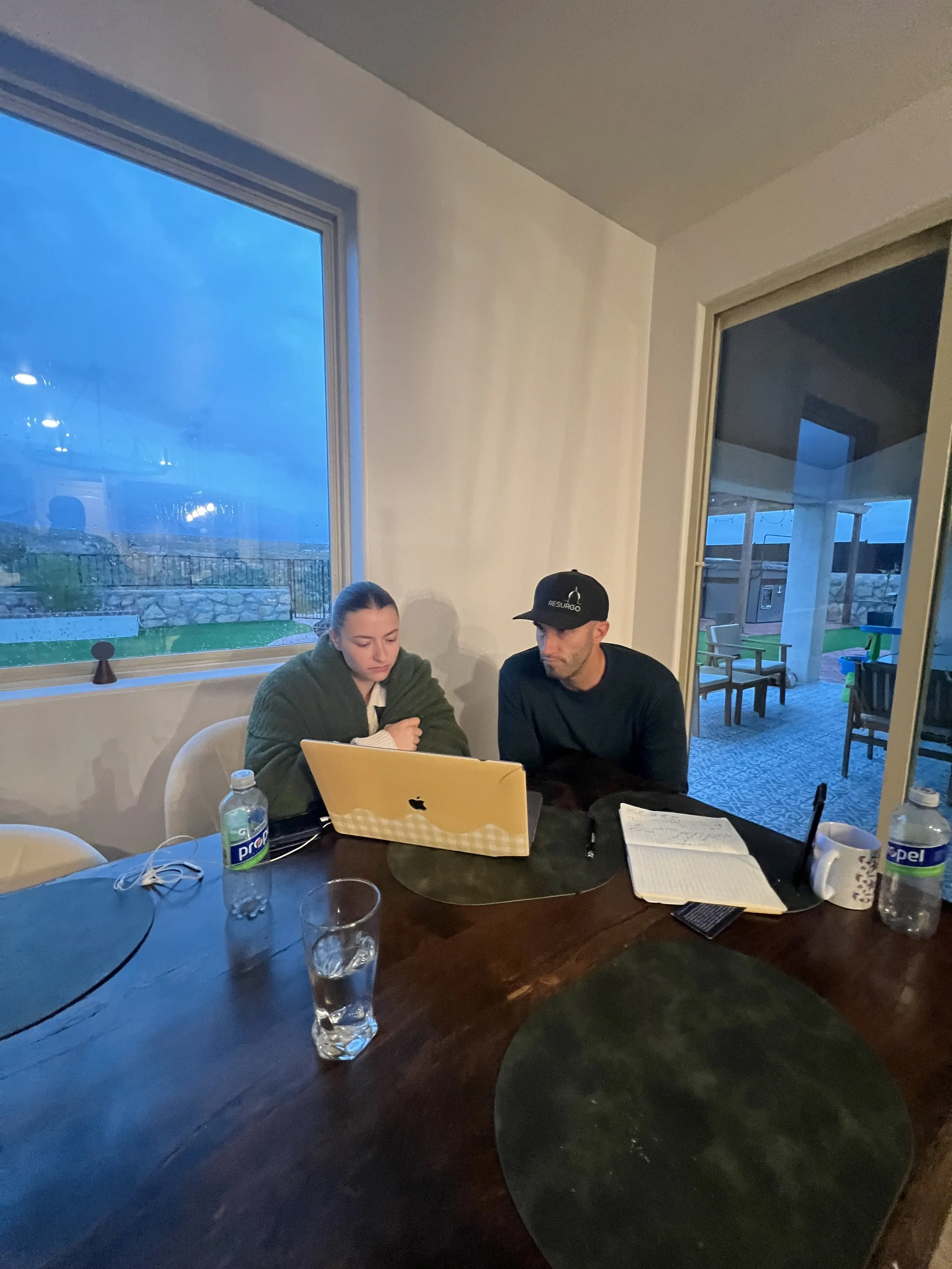
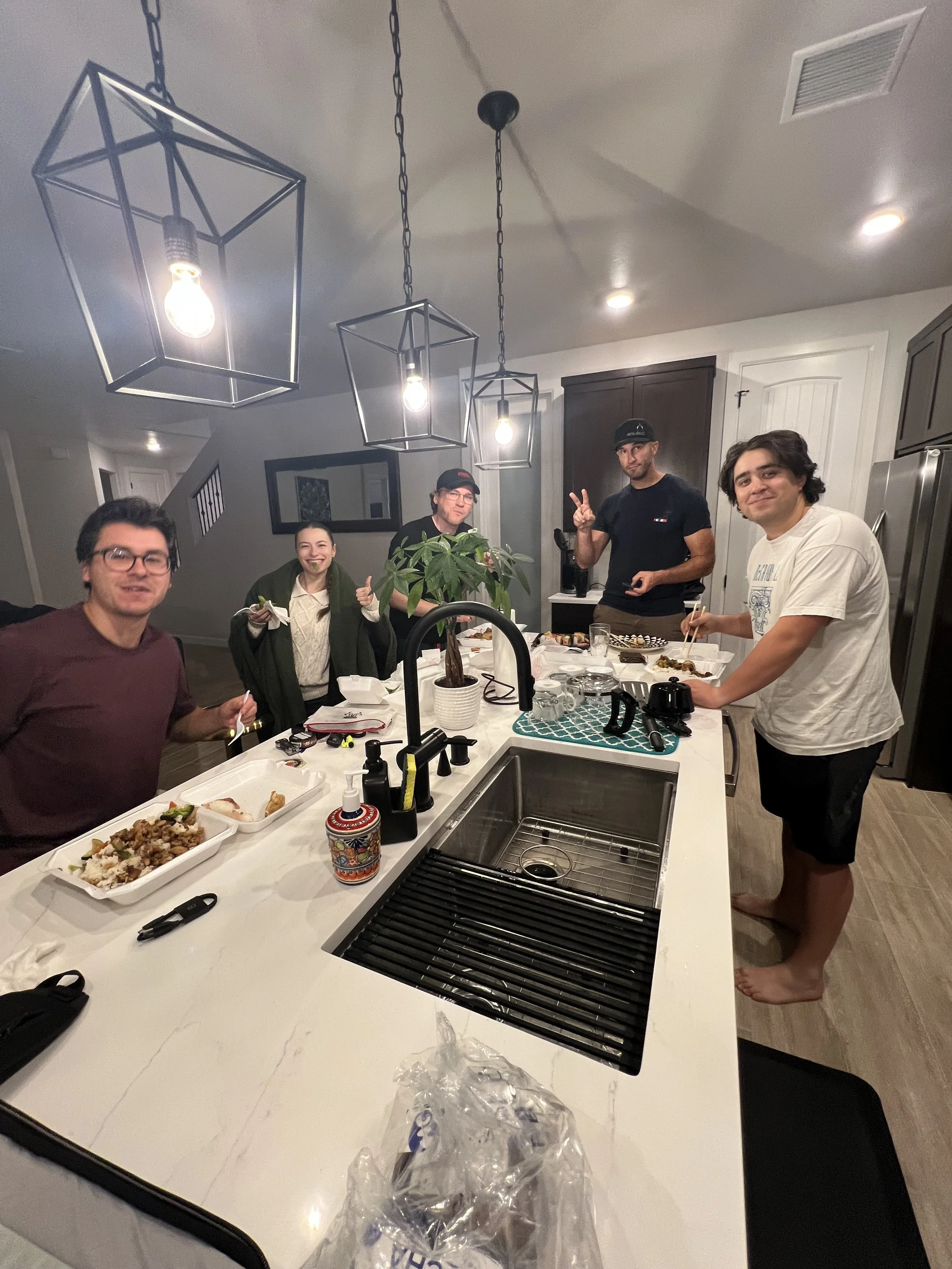
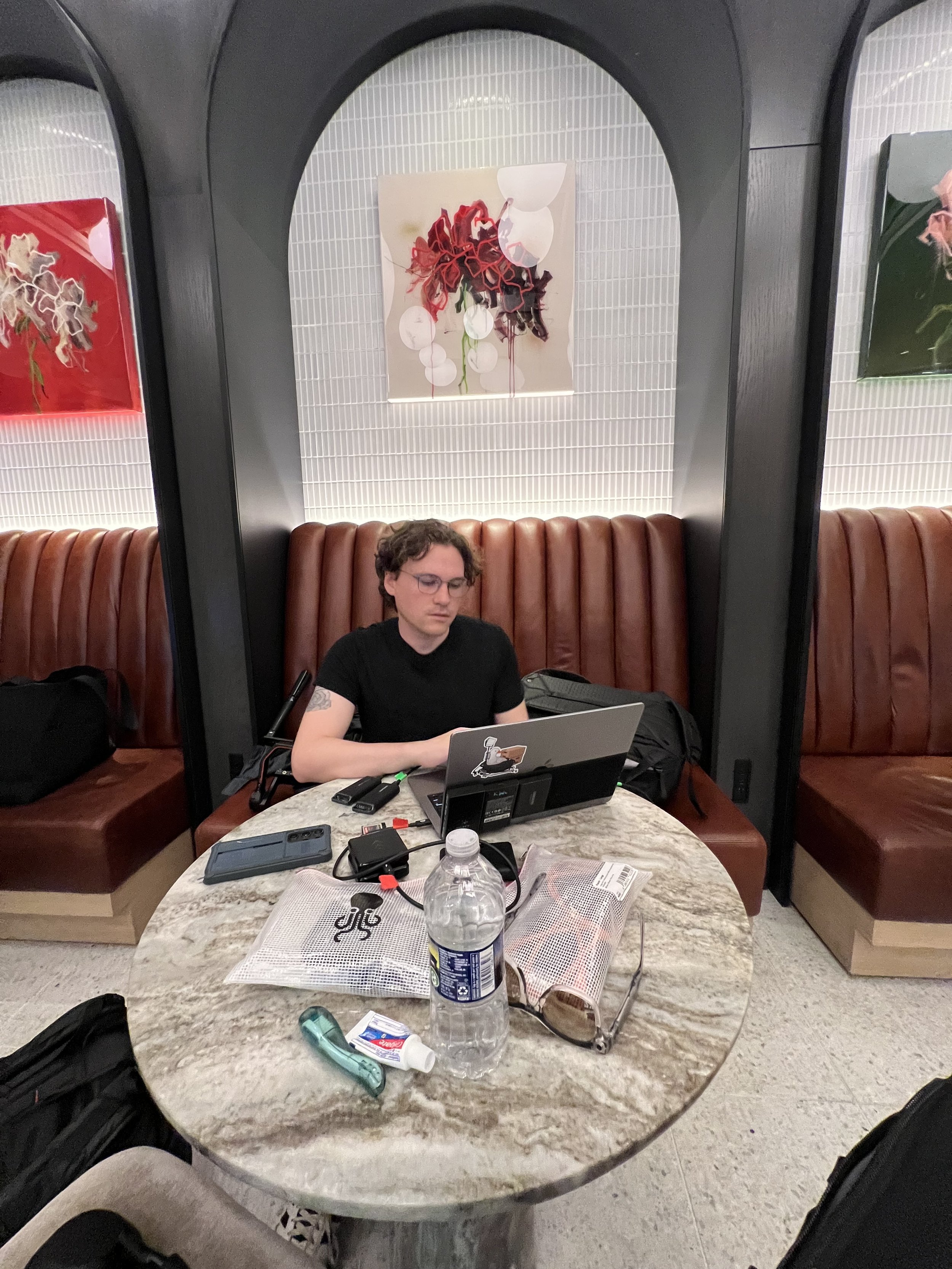
We had an on-site editing team consisting of our story producer, editor, and media manager. As footage came in, the media manager organized it, the story producer identified the strongest moments, and the editor began shaping the narrative. We weren't waiting until the end of the shoot to discover what story we had. We were building it in real time.
That coordination was essential to meeting the Veterans Day deadline.
The People > the Logistics
Through all of the scheduling, approvals, and moving parts, the six veterans remained our focus.
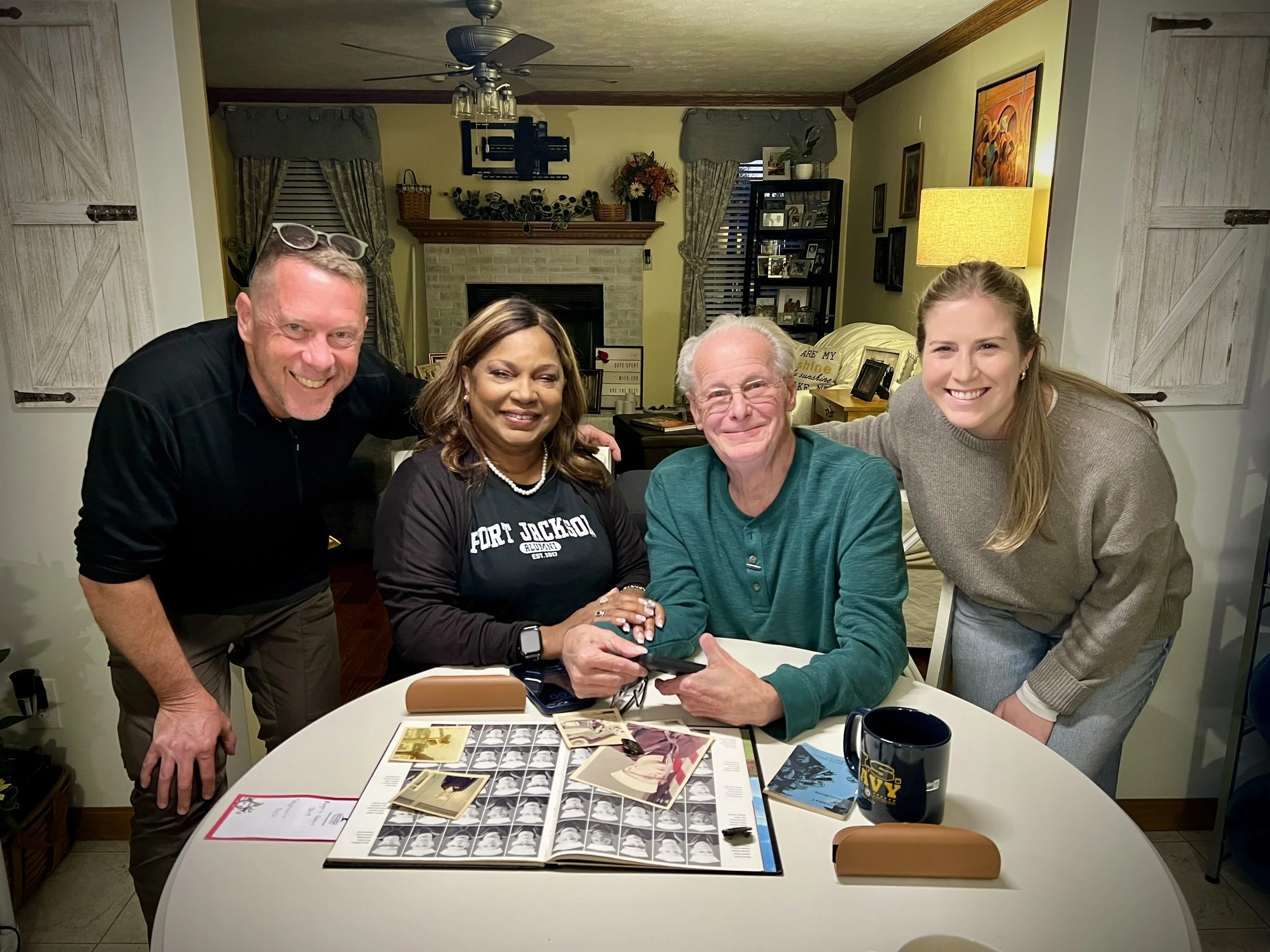
In Indiana, we filmed Roger and Stephanie, a married couple who both served, Stephanie in the Army and Roger in the Navy. Roger's visit to the World War II Memorial carried particular weight. His father served in World War II, and his grandfather served in World War I. For him, remembrance stretched across generations.
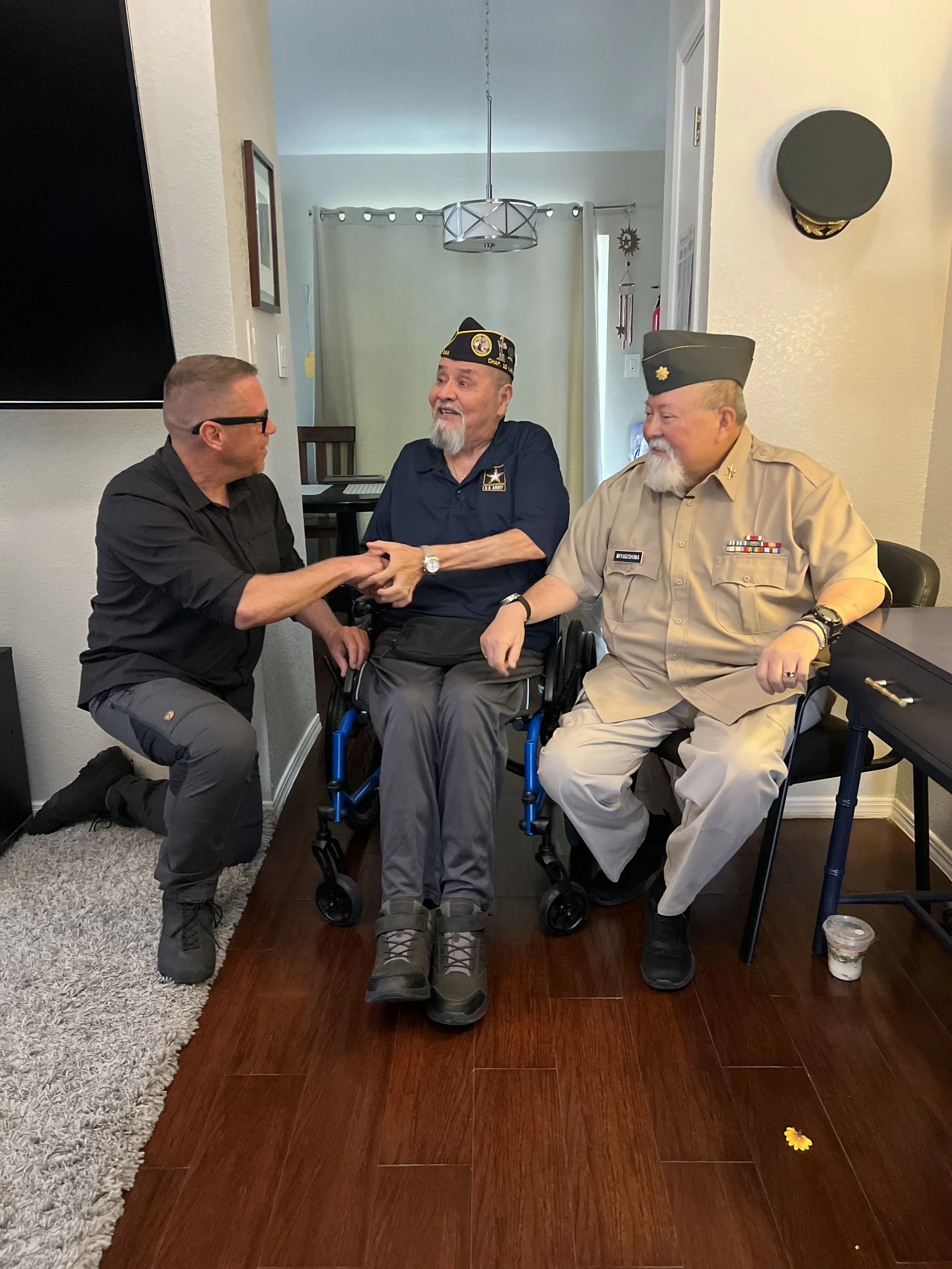
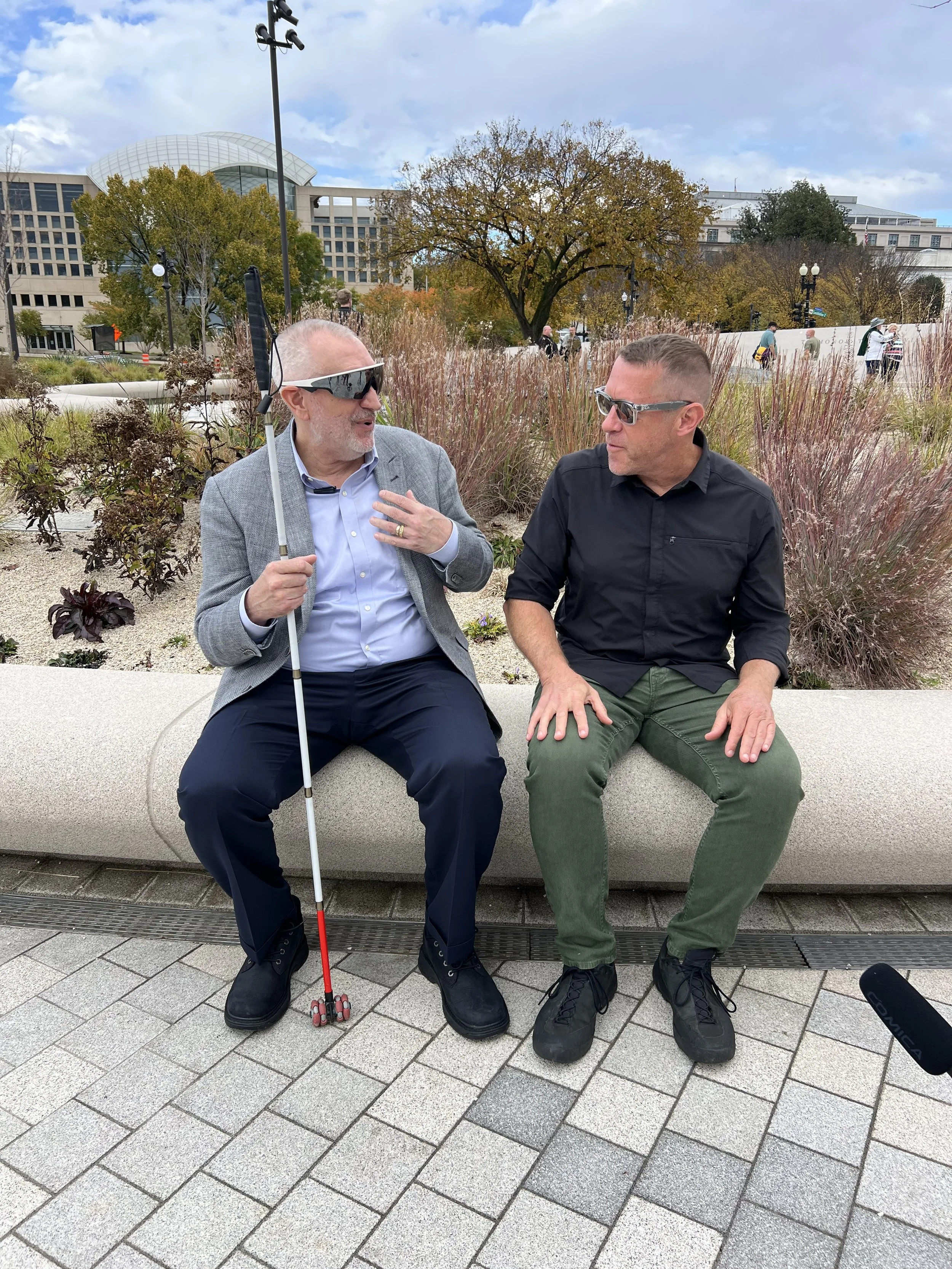
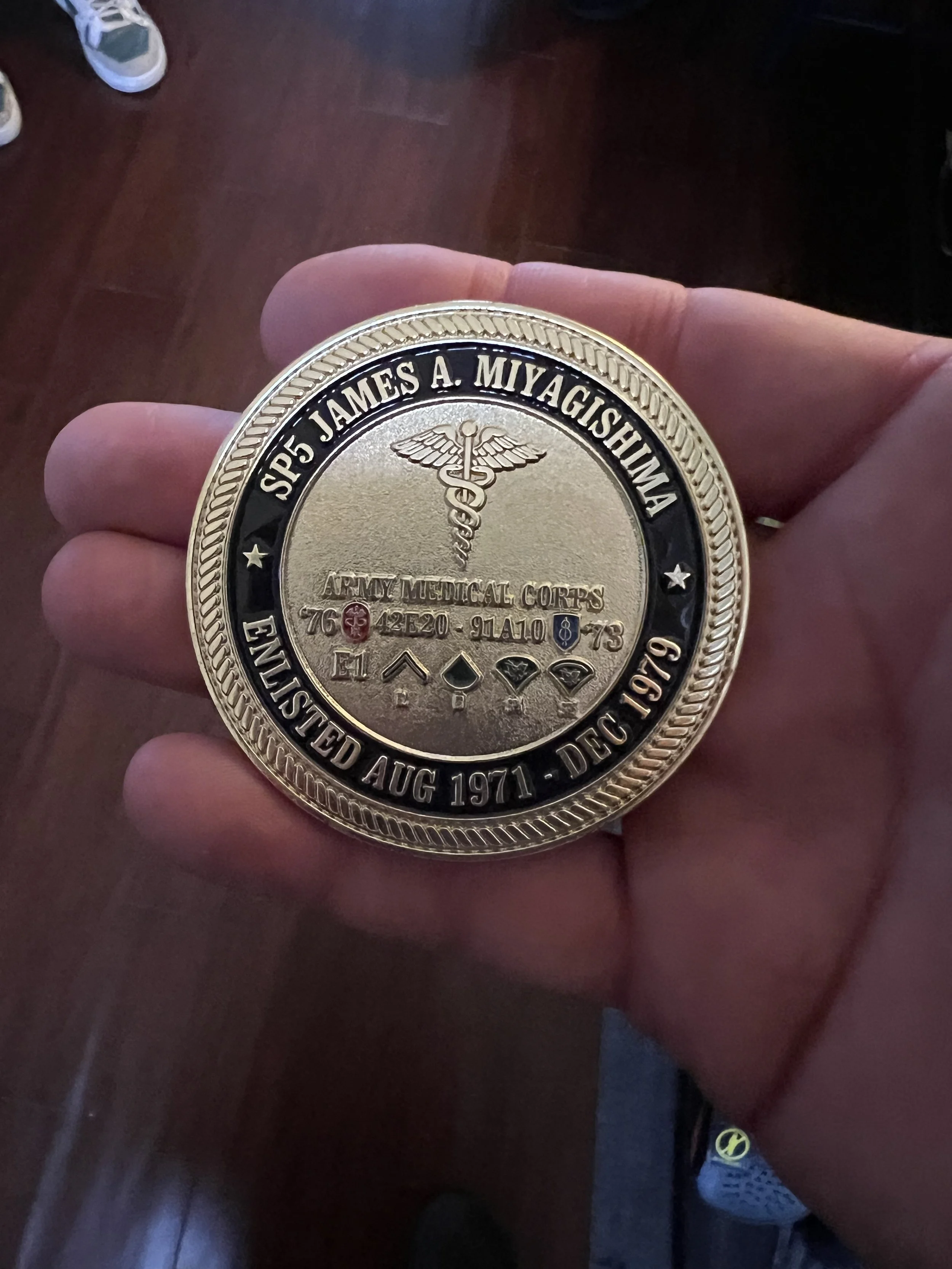
In Texas, we documented the Miyagi brothers, whose shared journey brought family and military service together in a different way.
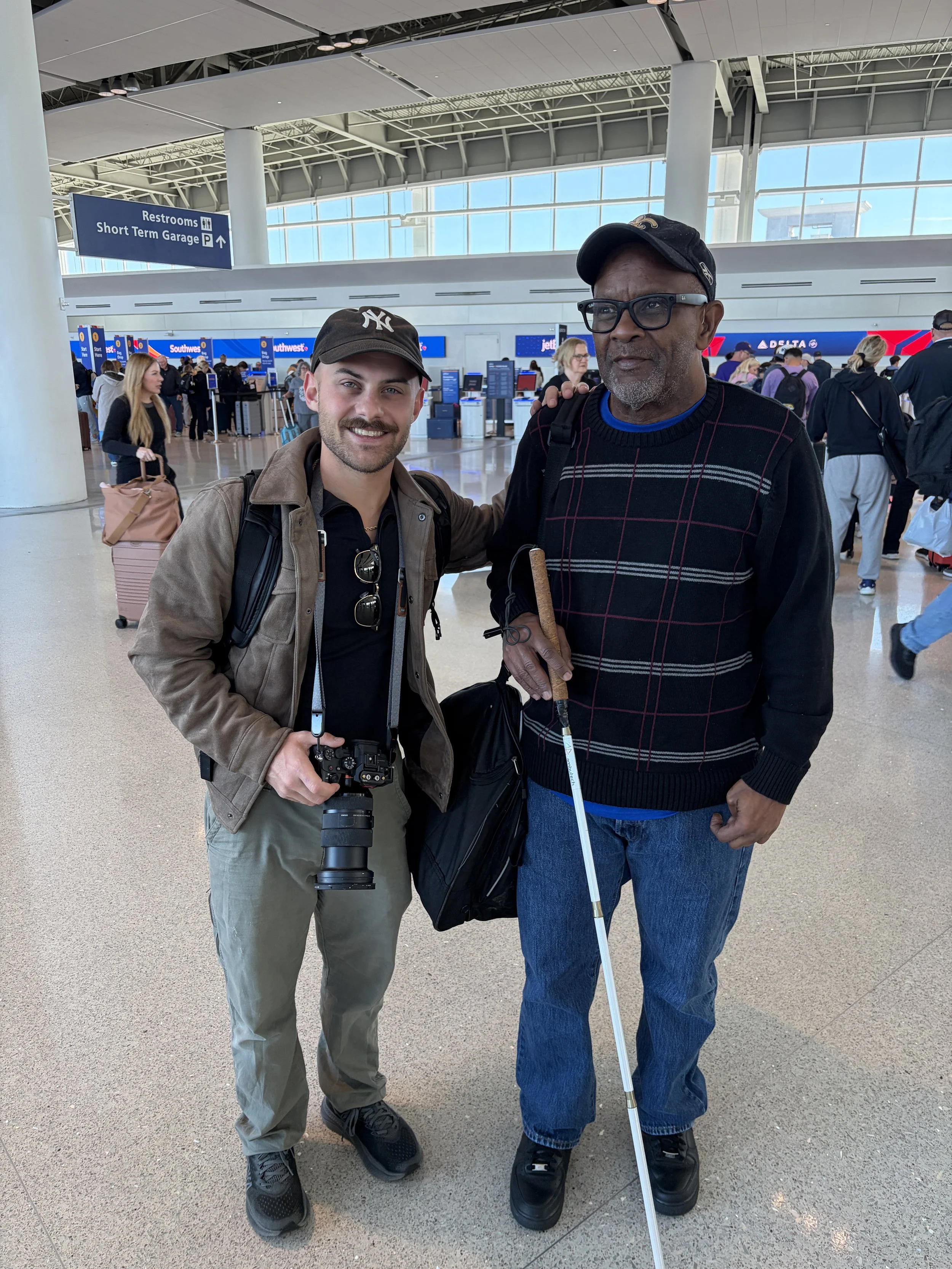
In New Orleans, we met Belard, a blind veteran who lives at Bastion, a community supporting veterans and their families. His perspective on service, independence, and the people worth protecting was unforgettable.
Don's reflections added another important voice to the film, helping connect individual experiences to the larger meaning of remembrance.
We also captured how Meta's AI glasses can support veterans in their daily lives. But the technology was never meant to overshadow the people. Their voices and experiences were the heart of the story.
Finding the Film While Filming It
We built this film around three chapters:
We Serve - exploring what service meant to our veterans.
The Journey - following their Honor Flights.
We Remember - witnessing their visits to the memorials.
Our challenge was to weave six personal stories into a single film just over 3 minutes long. Rather than presenting separate profiles, we wanted the voices of the veterans to move together through the experience.
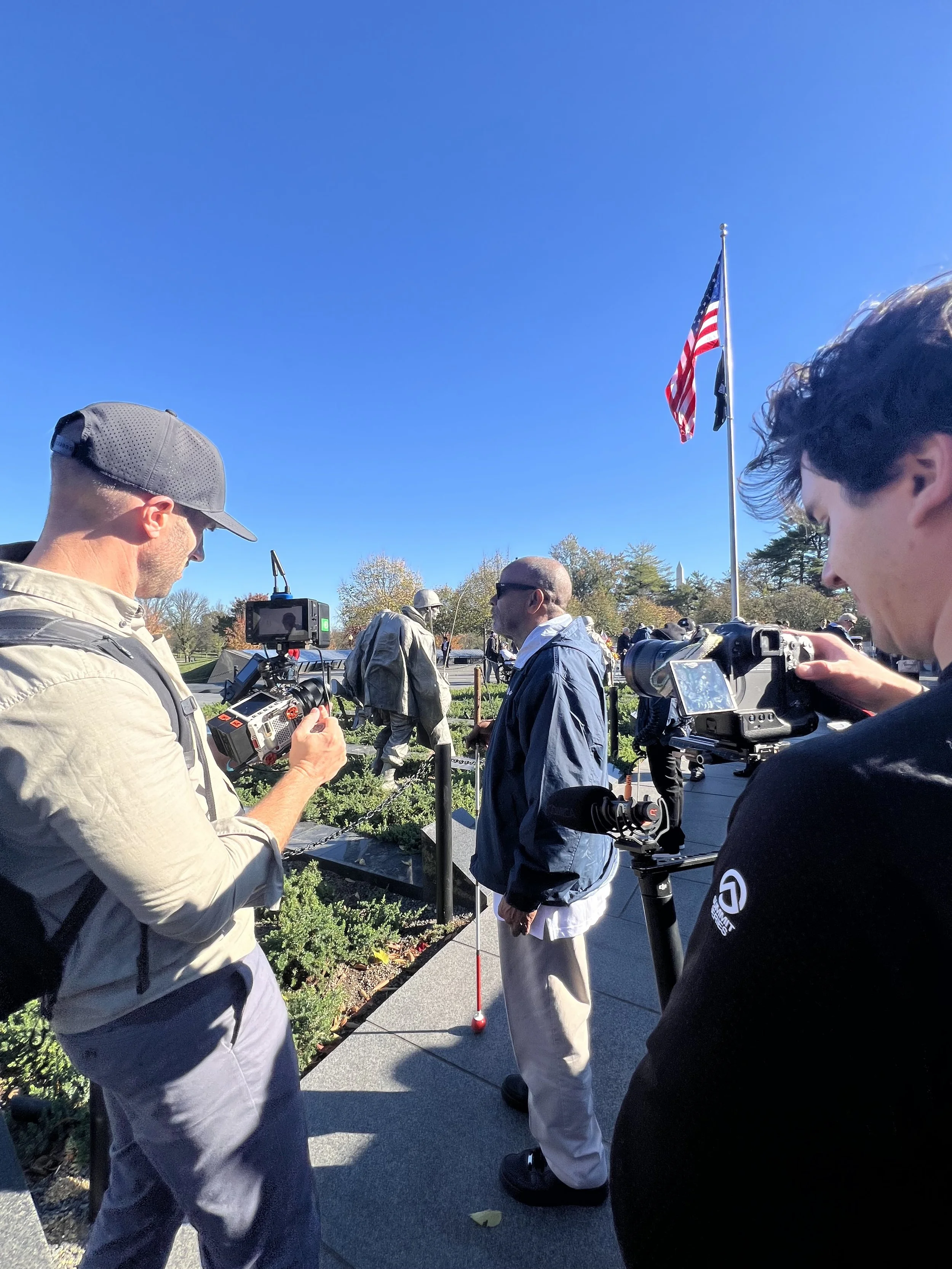
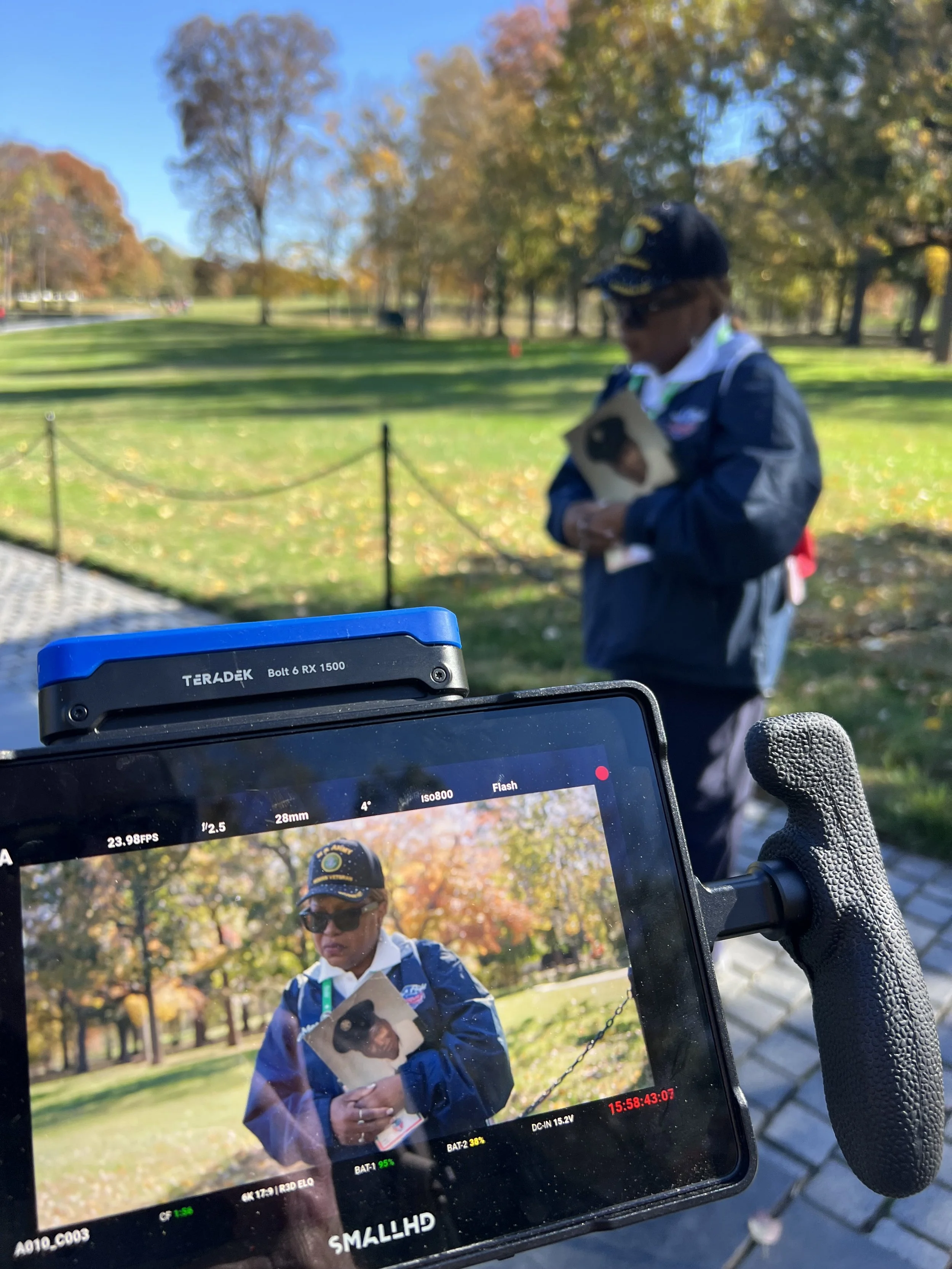
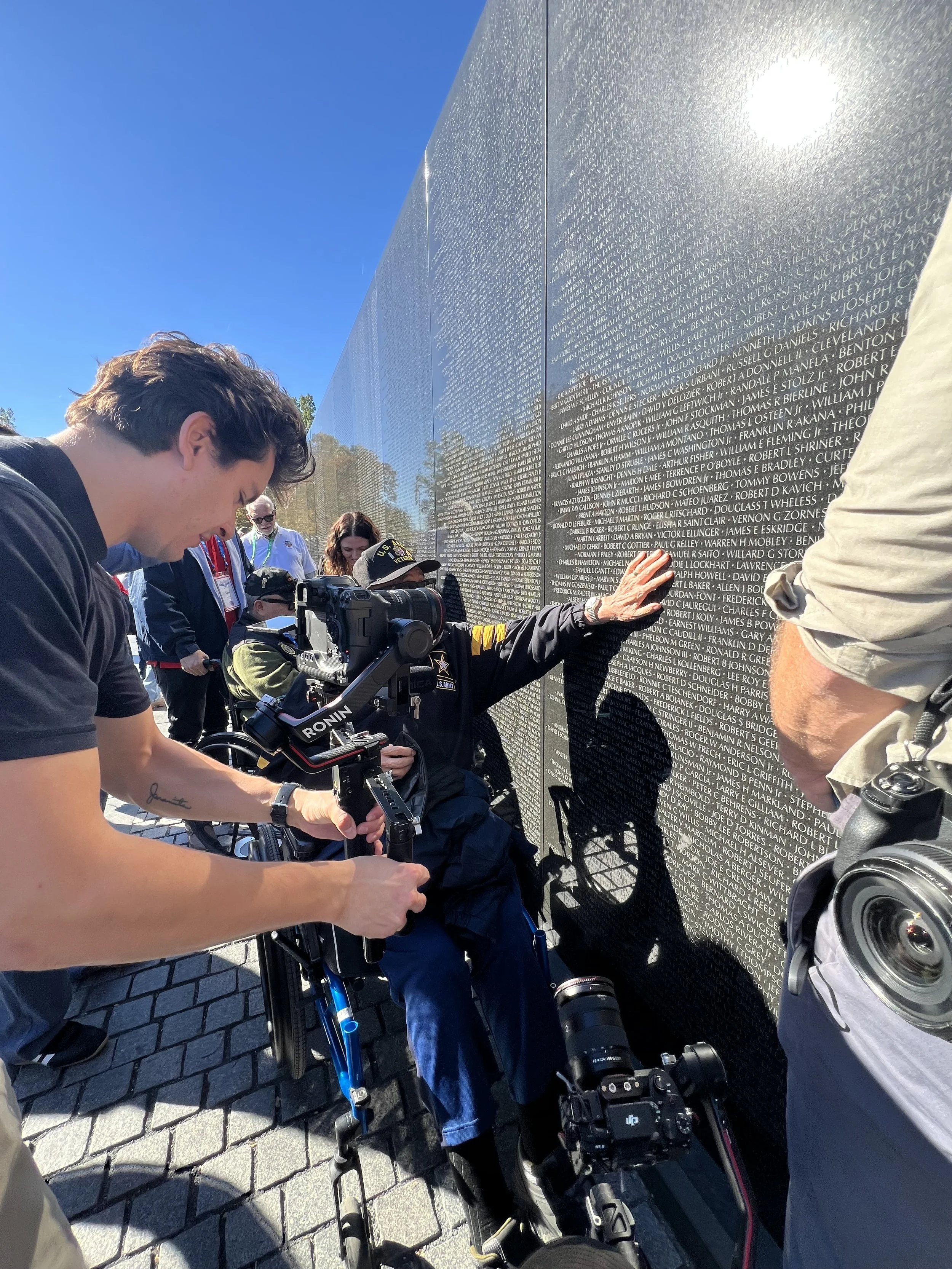
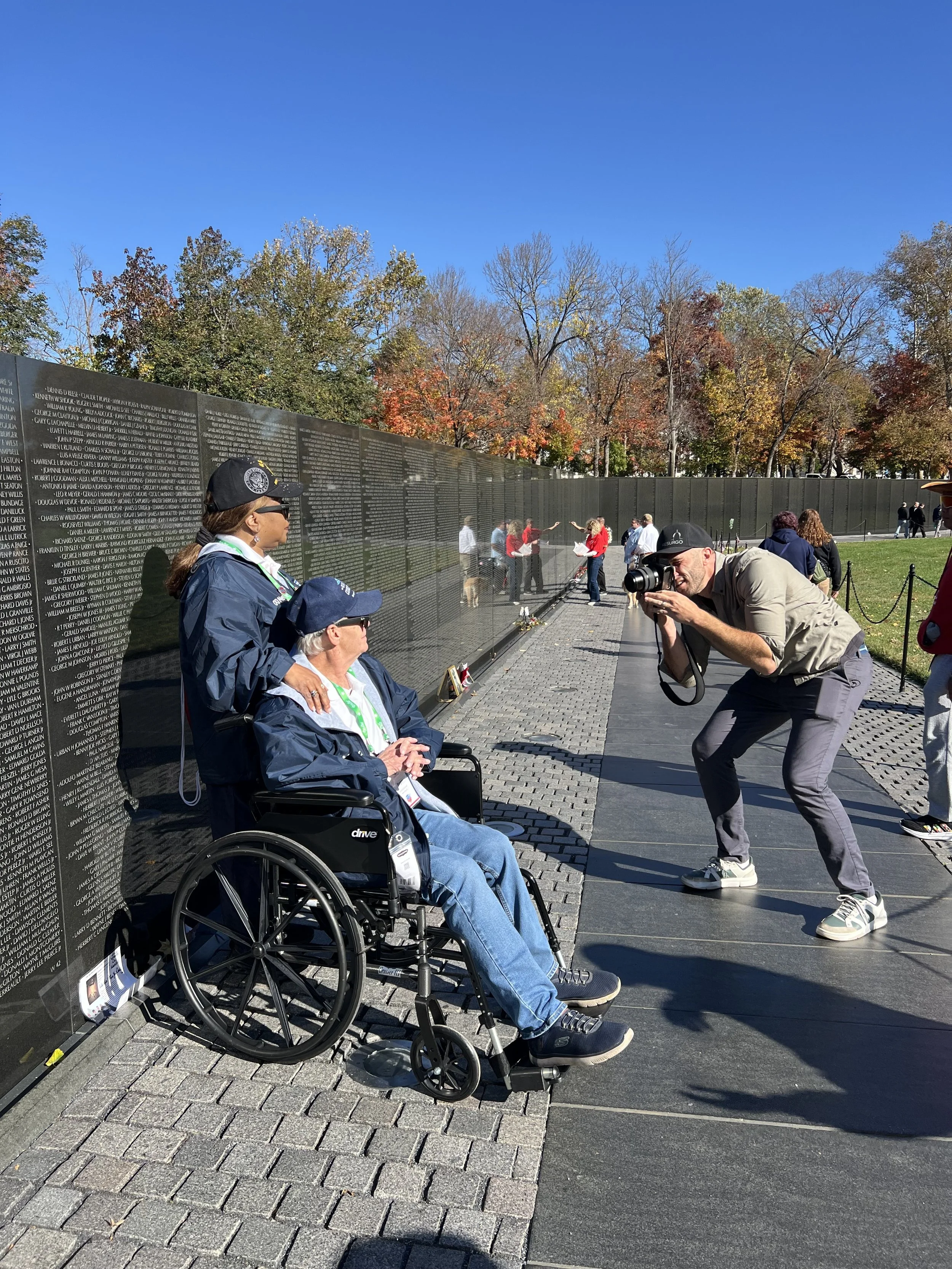
At the memorials, we kept our footprint small and our cameras respectful. These were not scenes we could direct. They were moments we were privileged to witness.
What I'll Remember
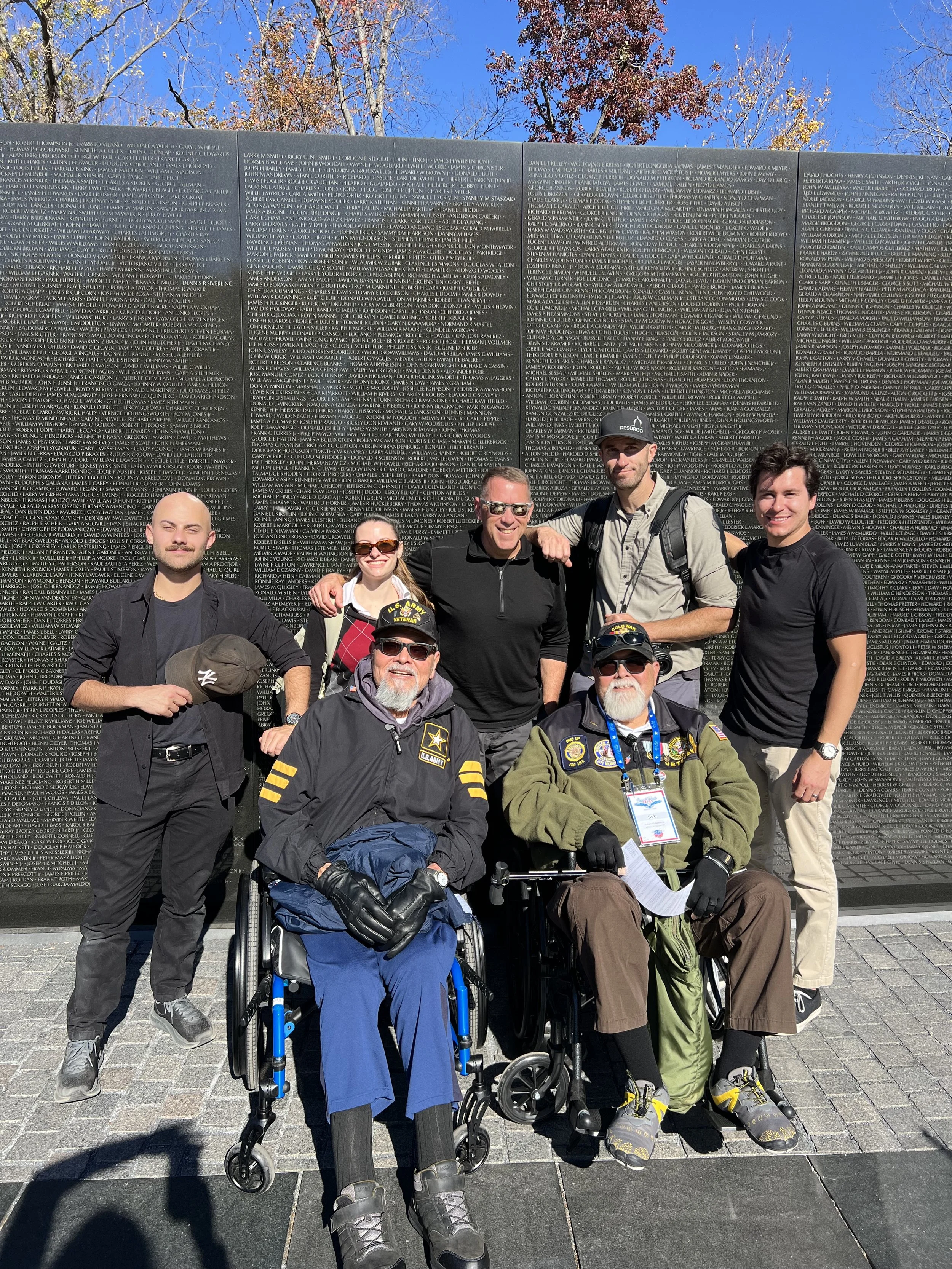
I am incredibly proud of our producers, cinematographers, production coordinators, story producer, editor, and media manager. They handled an extraordinary logistical challenge without losing sight of why we were there. I'm equally grateful to Meta for trusting us with this assignment.
To Roger, Stephanie, the Miyagi brothers, Belard, and Don: thank you for opening your lives to us and sharing your stories of service.
Six days. Four states. Four crews. Countless decisions.
Years from now, I doubt I'll remember every permit conversation, insurance certificate, or flight update. I'll remember the veterans, their words, their pride, and the privilege of standing alongside them as they honored those who came before them.
They served. We remember. And we never forget.