
What 60+ Small Businesses Have Taught Me About the American Dream
Over the years, I’ve had the opportunity to travel across the United States and beyond to profile more than 60 small businesses. Most of these stories were connected to the Goldman Sachs 10,000 Small Businesses program, and together they became one of the most meaningful chapters of my career as a storyteller.
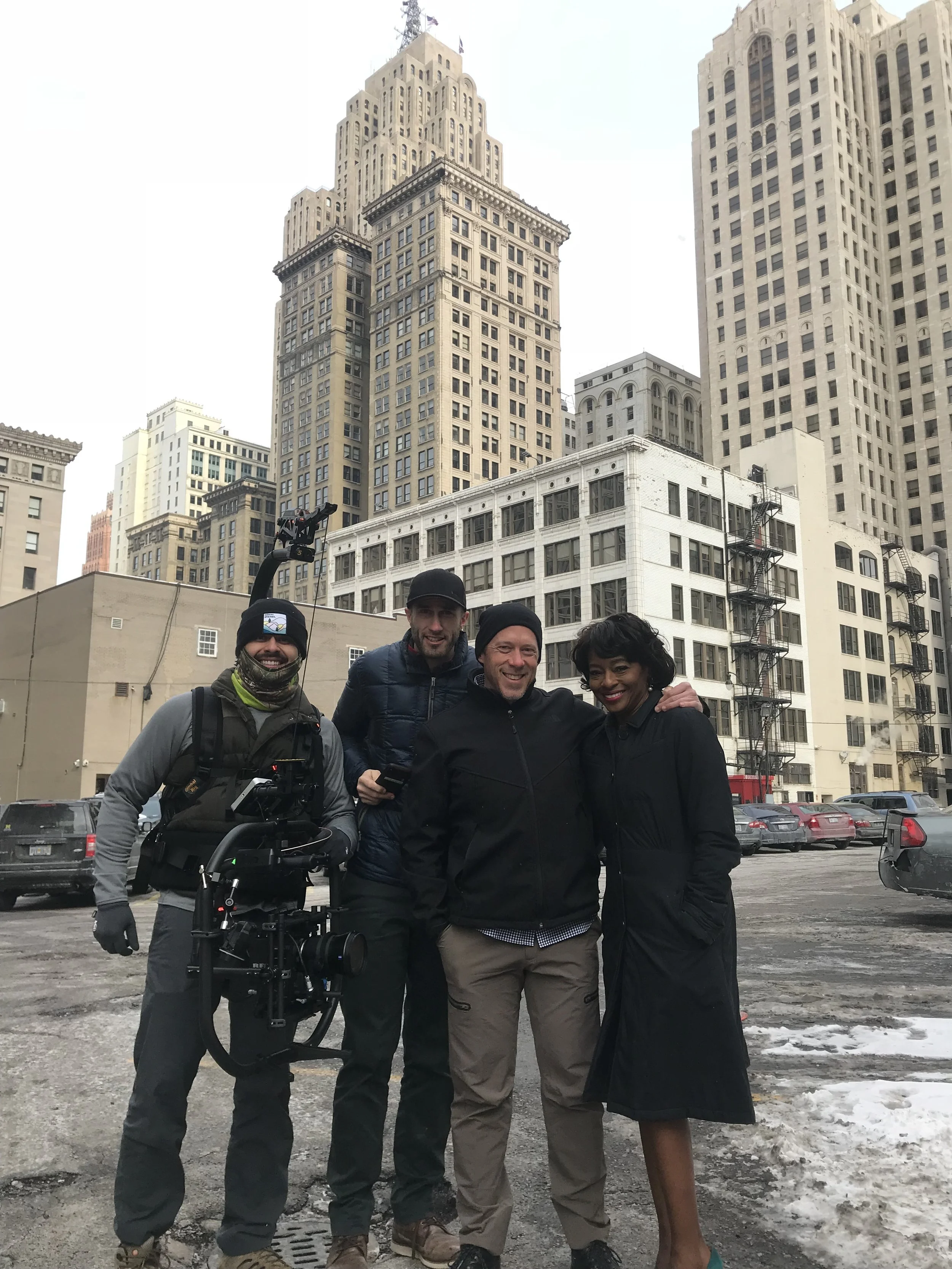
I’ve walked through manufacturing floors in Cleveland, kitchens in Chicago, coffee operations in Miami and family businesses in Salt Lake City. I’ve interviewed entrepreneurs in Detroit, Los Angeles, Philadelphia, New Orleans, Houston, New York, Montana, Rhode Island and the UK.
Every business was different. Every city had its own character. Every entrepreneur had taken a different path.
But after more than 60 stories, I began to recognize something they all had in common.
Behind every small business was a person who believed enough in an idea to take a risk on it. And before I could tell their story, I had to earn their trust.
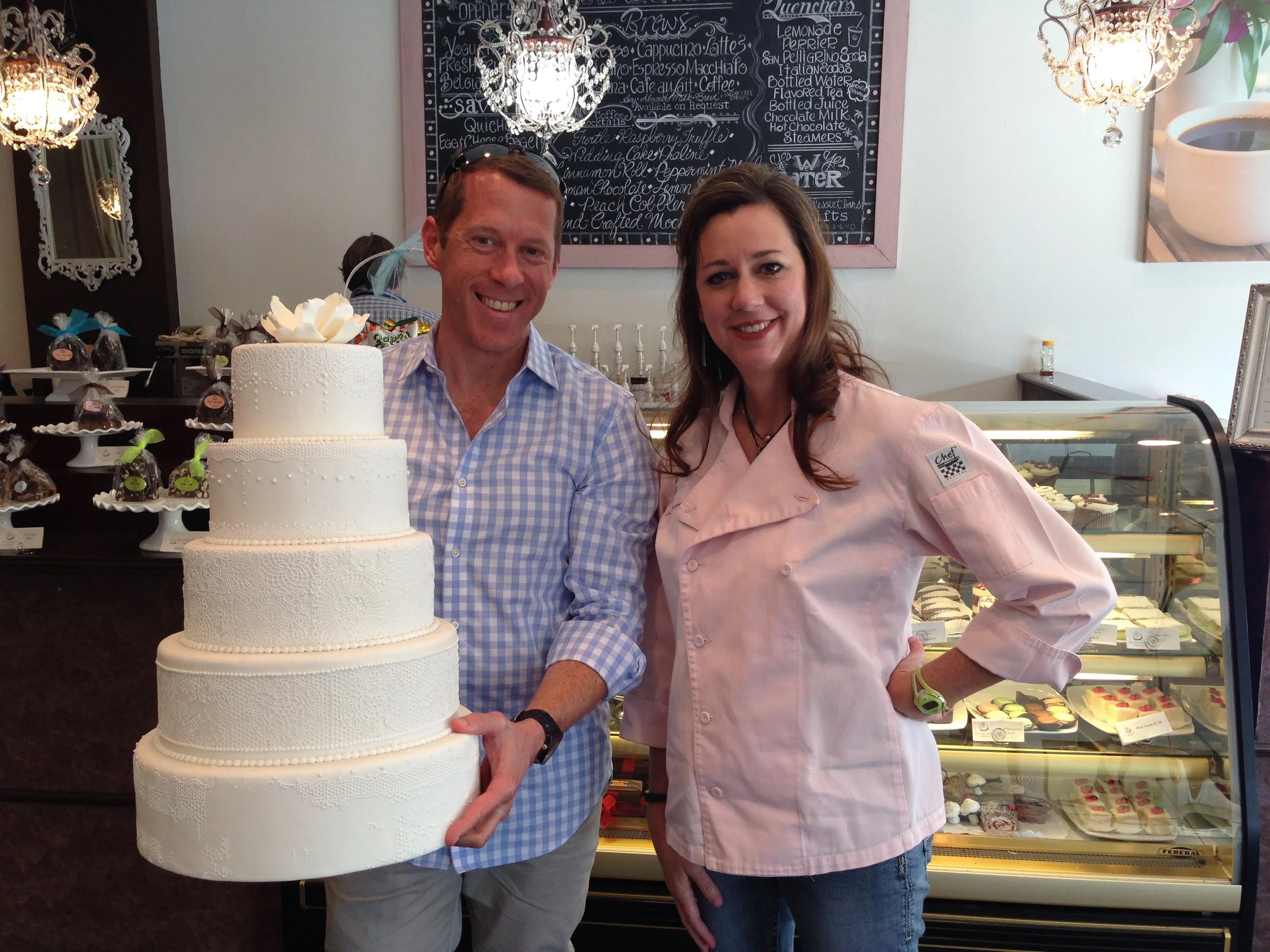
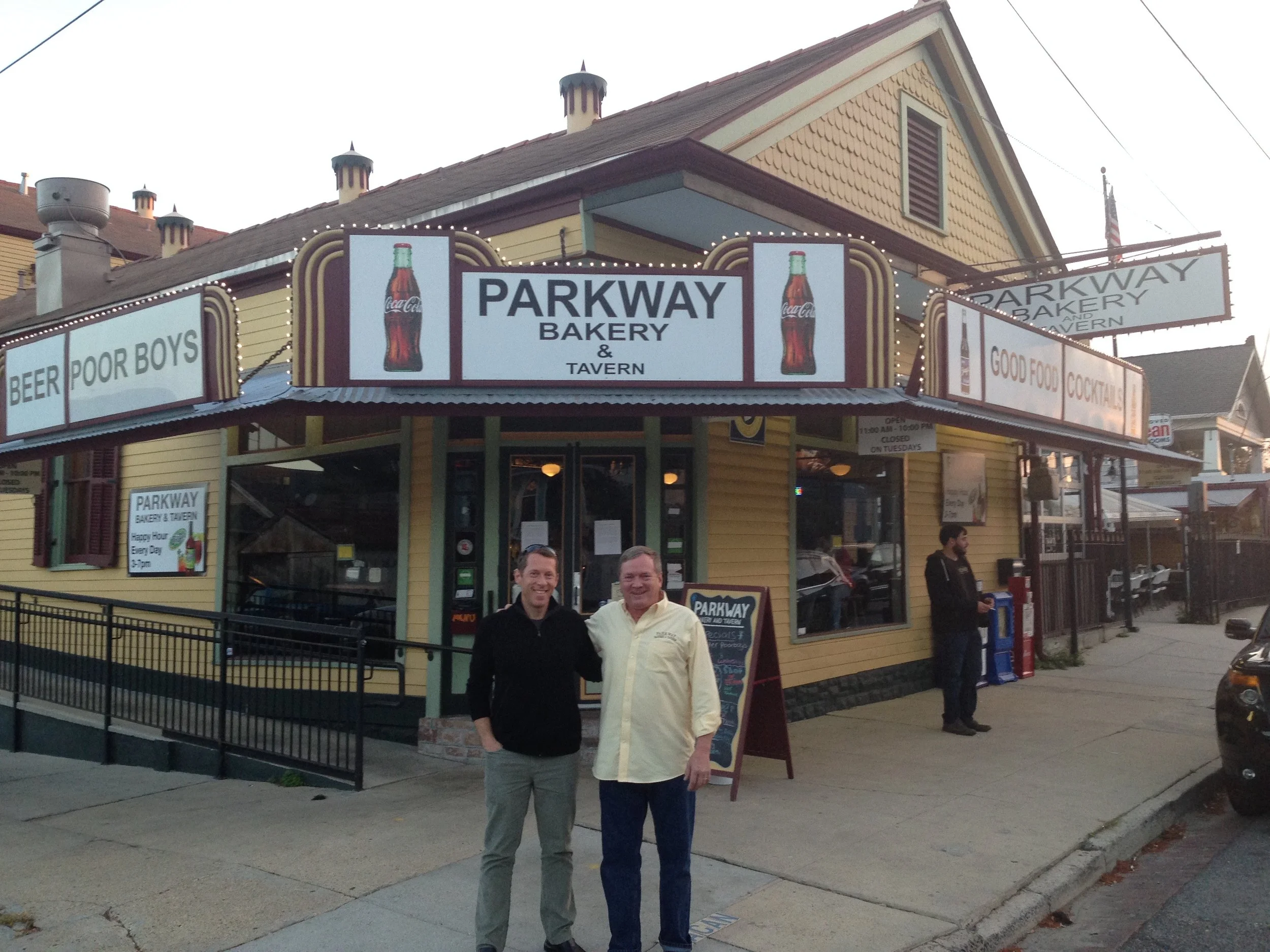
The Business Is Just the Beginning
When I began one of these profiles, I obviously wanted to understand the business. What do they make? Who are their customers? How did they get started? How did they grow?
But those questions were just the starting point.
The real story began when I understood the person behind the business.
In Salt Lake City, I profiled Kaddas Enterprises, KAL Medical, and Bartile Roof. Cleveland introduced me to Federal Gear and So Kinky, So Sexy, So Curly. In Detroit, I spent time with Walker-Miller Energy. In Chicago, there was Saigon Sisters and Motorworks.
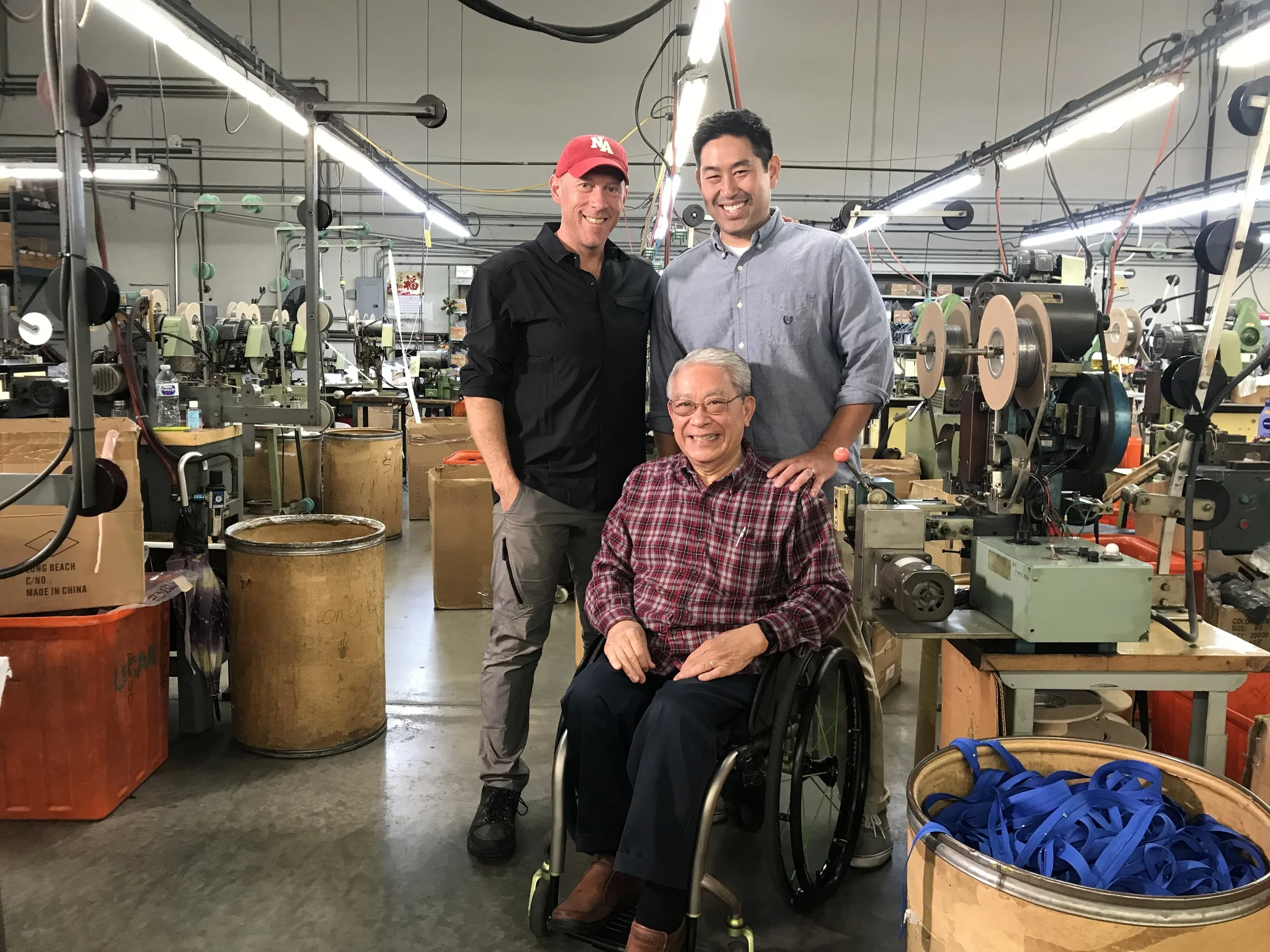
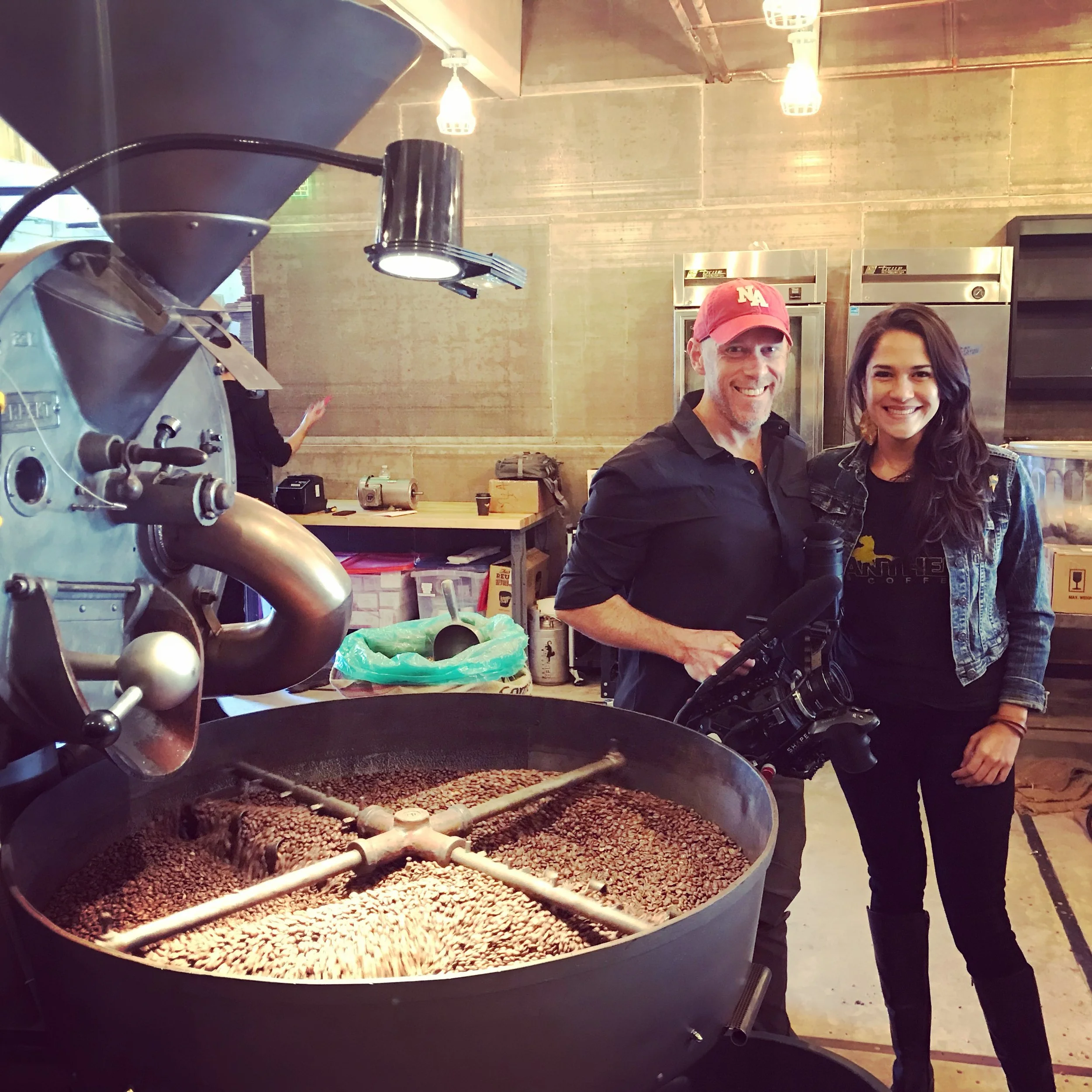
The journey continued with UCAN Zippers in Los Angeles, Printfresh in Philadelphia, Headframe Spirits in Montana, Panther Coffee and Excellent Fruit & Produce in Miami, and Lotuff Leather in Providence, Rhode Island.
On paper, there isn’t much connecting a roofing company to a coffee business, a manufacturer to a restaurant, or a leather goods company to an energy business.
Spend time with the people behind them, however, and the connections become obvious.
These businesses are deeply personal.
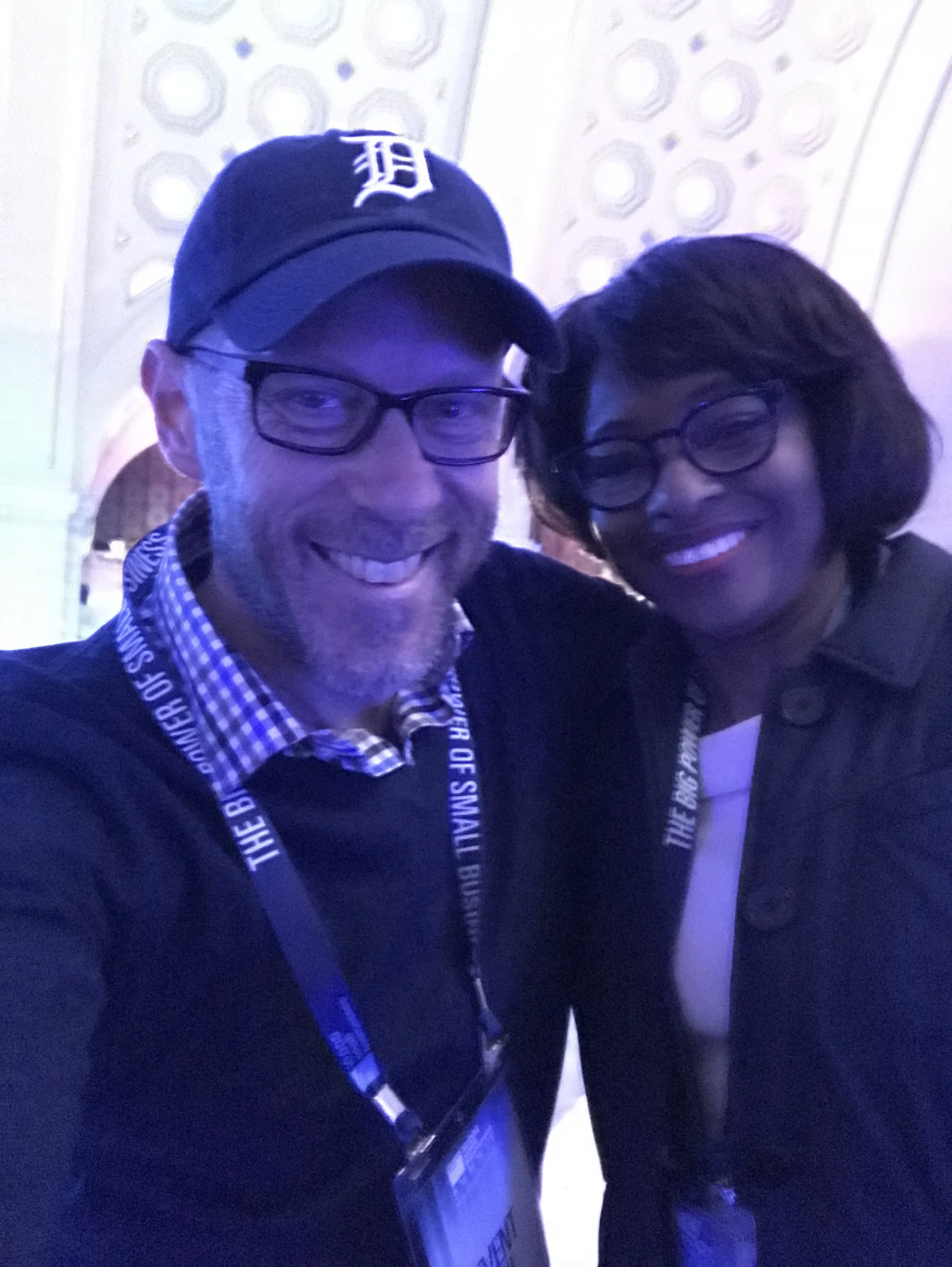
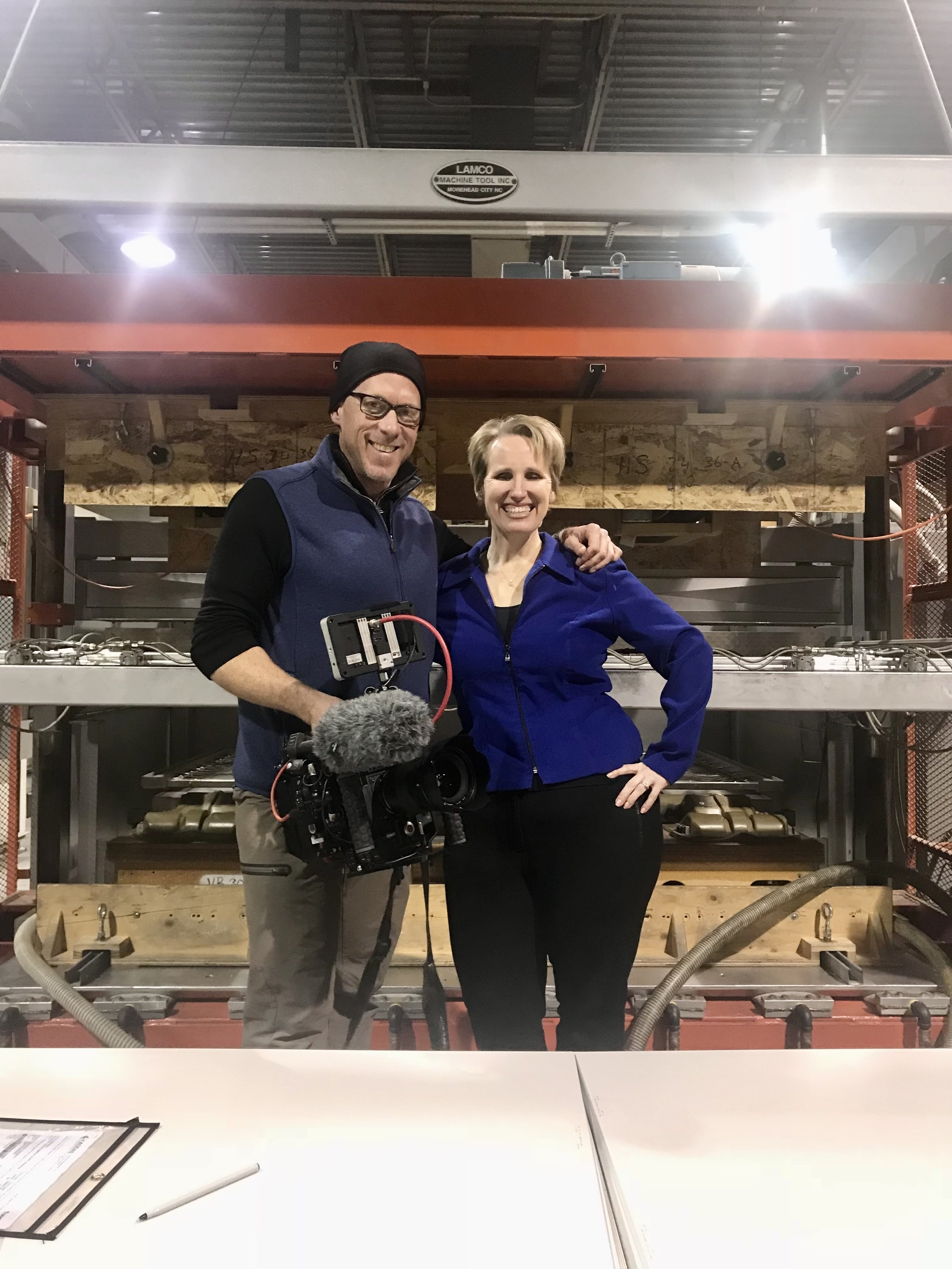
Trust Comes Before the Story
One of the biggest lessons I learned is that authentic storytelling doesn’t begin when you turn on the camera. It starts with the relationship you build well before that.
We were walking into businesses that people had spent years (sometimes decades) building, and asking them to share their lives with us. Not just their successes, but the risks, setbacks, and difficult moments along the way.
You can’t simply show up, set up cameras, and expect someone to immediately tell you the most meaningful parts of their story.
You have to earn that.
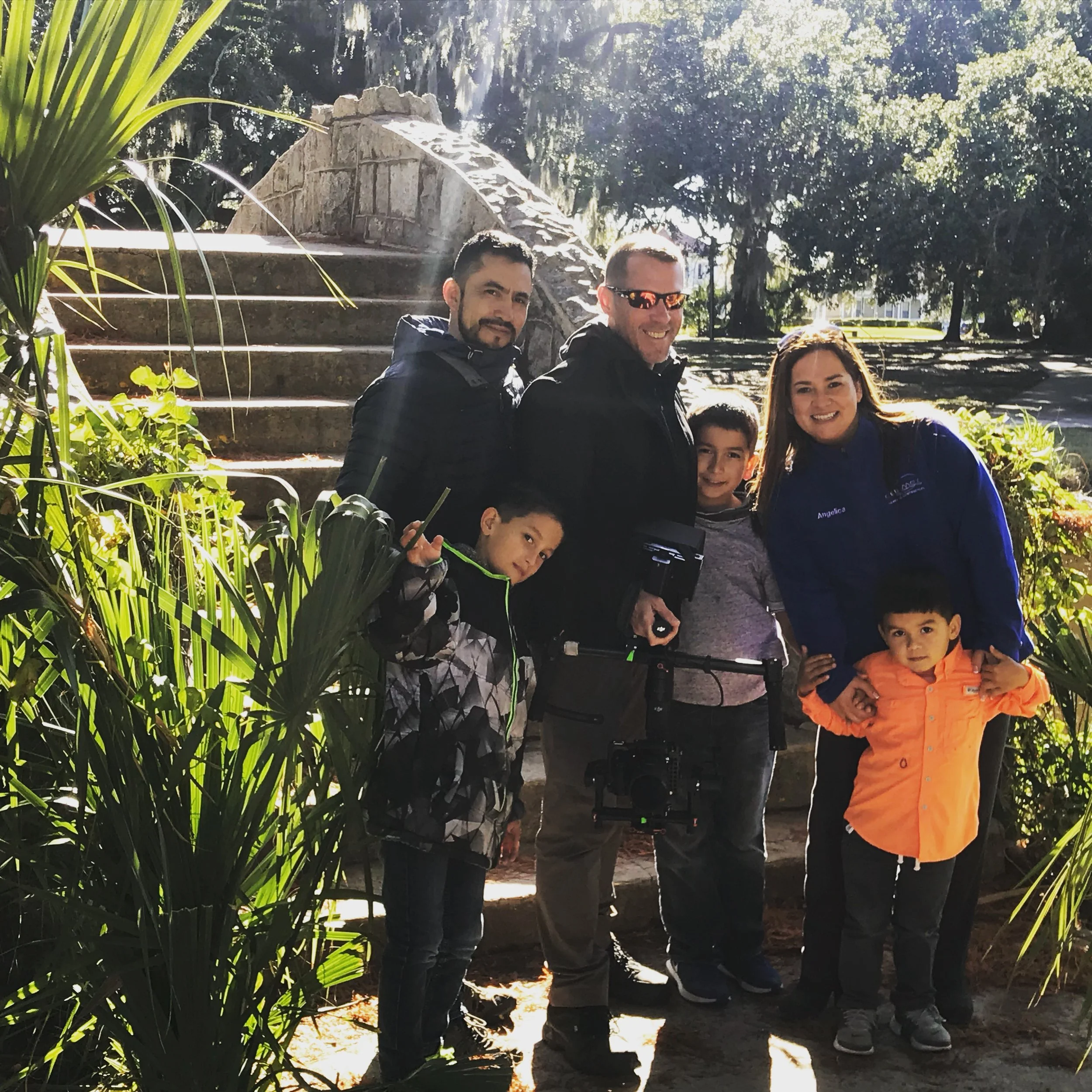
For me, that meant spending time with the owners. Walking through their businesses. Talking before the interview. Meeting their employees. Asking questions when the cameras weren’t rolling. Most importantly, it meant listening.
Slowly, the dynamic would change.
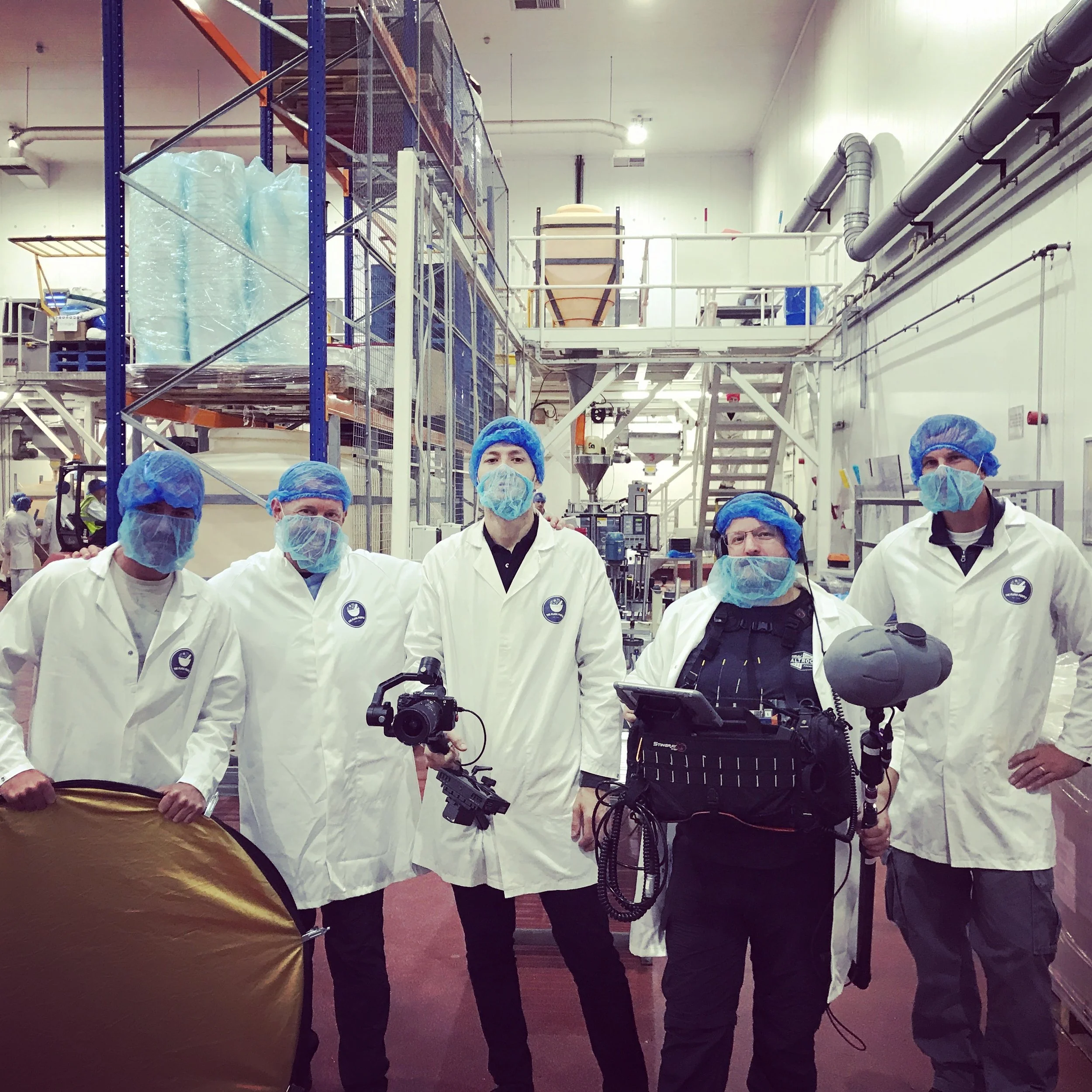
We stopped being a film crew that had arrived to make a video, and became people they trusted to tell their story.
Preparation gets you in the door. Trust gets you the story.
The Best Moments Weren’t Planned
We researched every company before arriving. We developed questions, planned interviews, and thought carefully about the visuals we needed.
But some of my favorite moments were things we never could have planned.
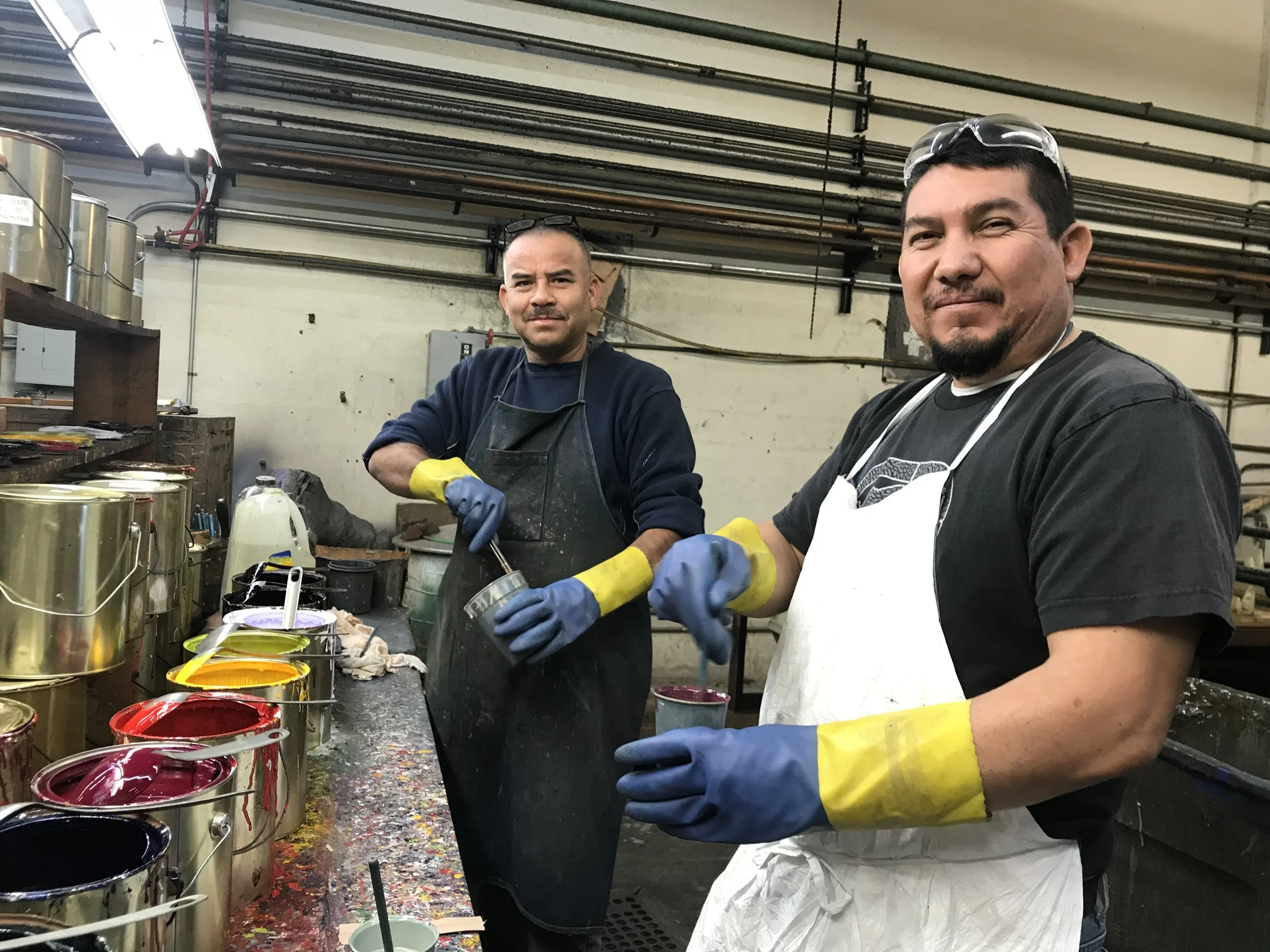
A founder might talk about a parent who influenced them, or describe the moment they almost gave up. An employee might explain what the company meant to their family. Walking through a factory might reveal a process or interaction that explained the business better than anything we could have scripted.
Those moments happen when people become comfortable enough to let you into their world.
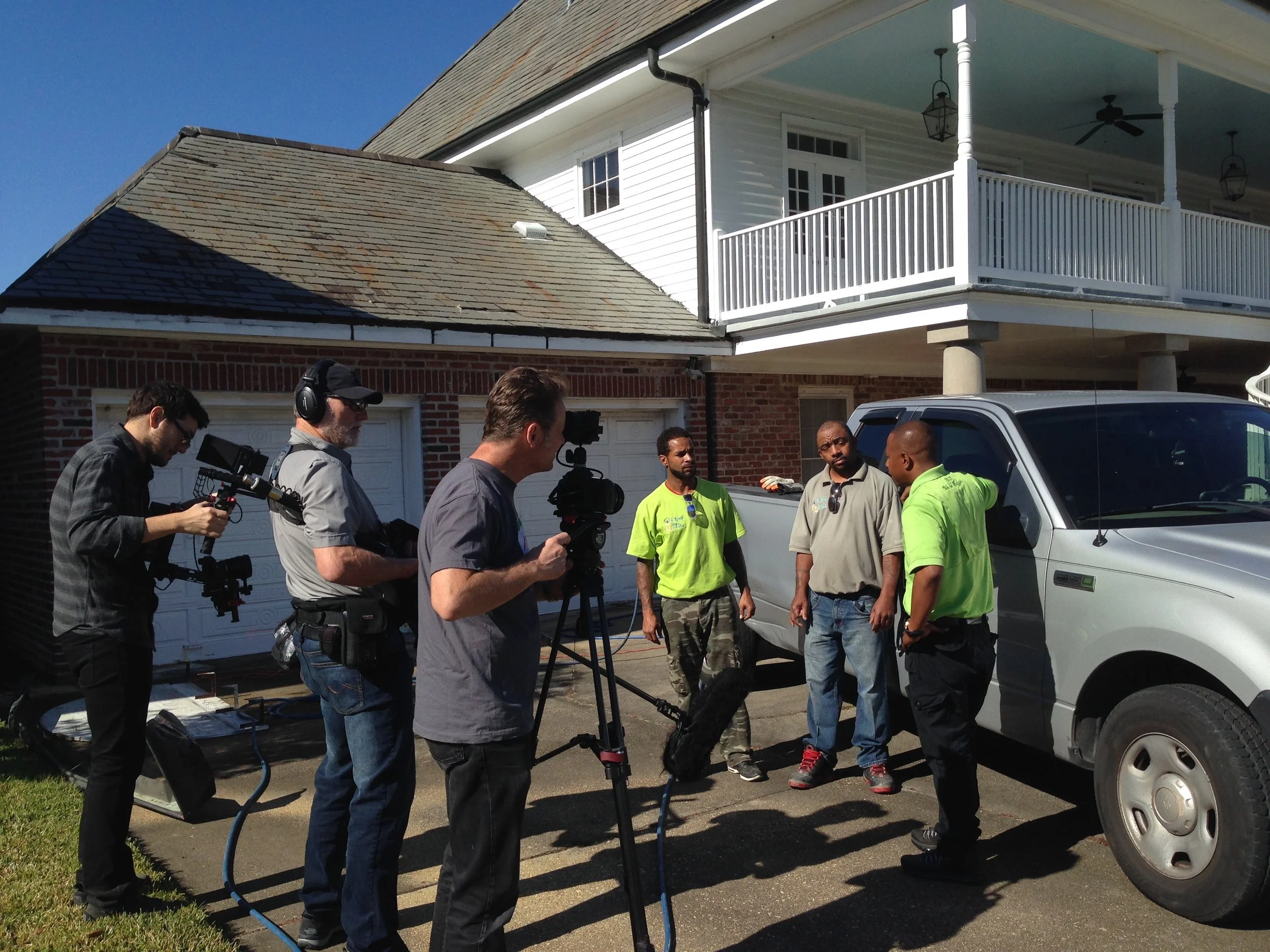
I don’t want someone sitting across from me thinking about what they’re supposed to say. I want them to eventually forget about the cameras, lights, and crew, and simply have a conversation.
That’s when you get something real.
Seeing America Through Small Business
Traveling around the country allowed me to experience communities in a way I never could have from behind a desk.
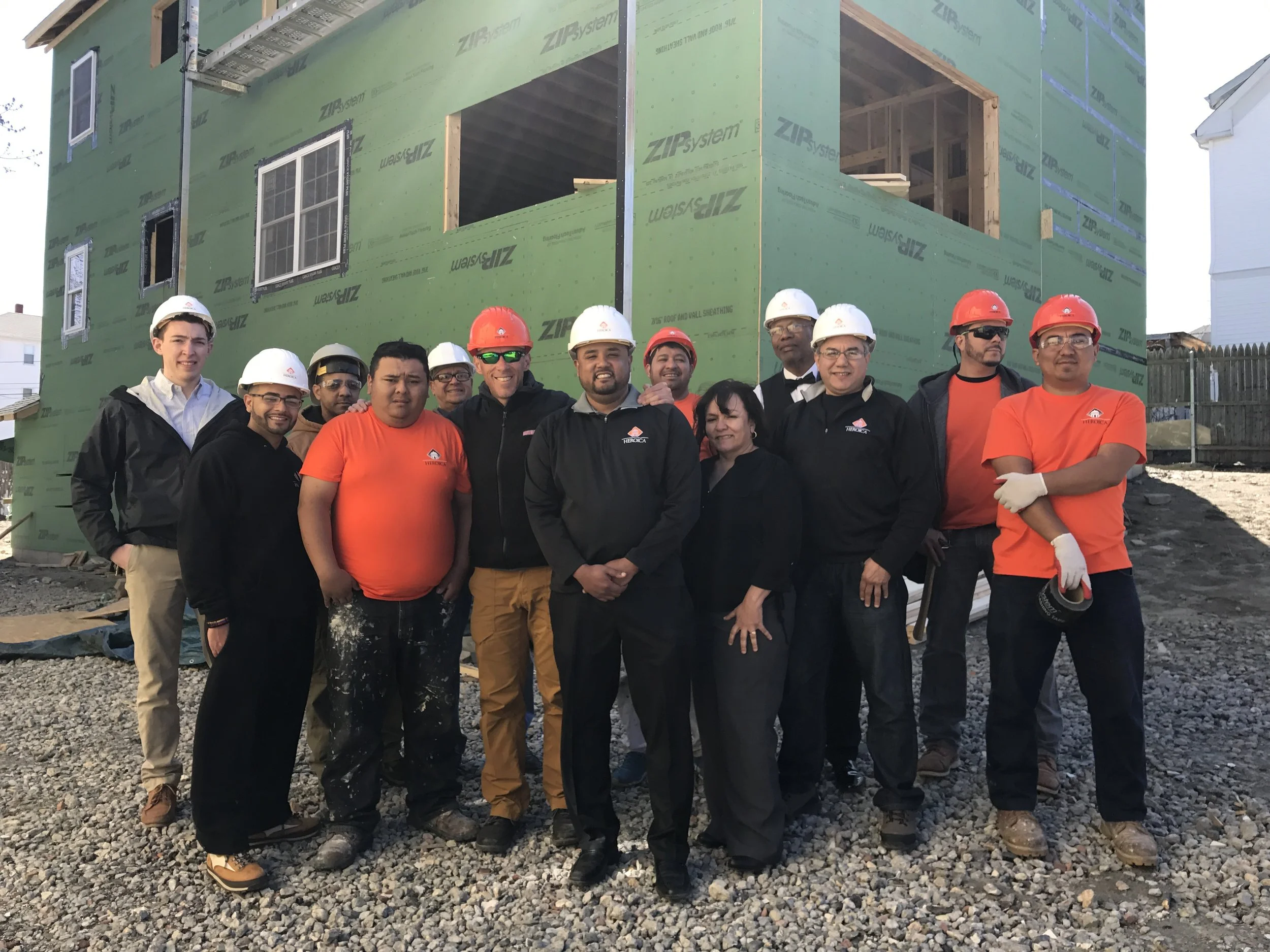
A manufacturing facility in Cleveland represents more than machinery and products. It represents jobs, families, and knowledge developed over generations. A restaurant in Chicago can tell a story about culture, family, and community. An energy company in Detroit becomes part of the larger story of a city’s workforce and future.
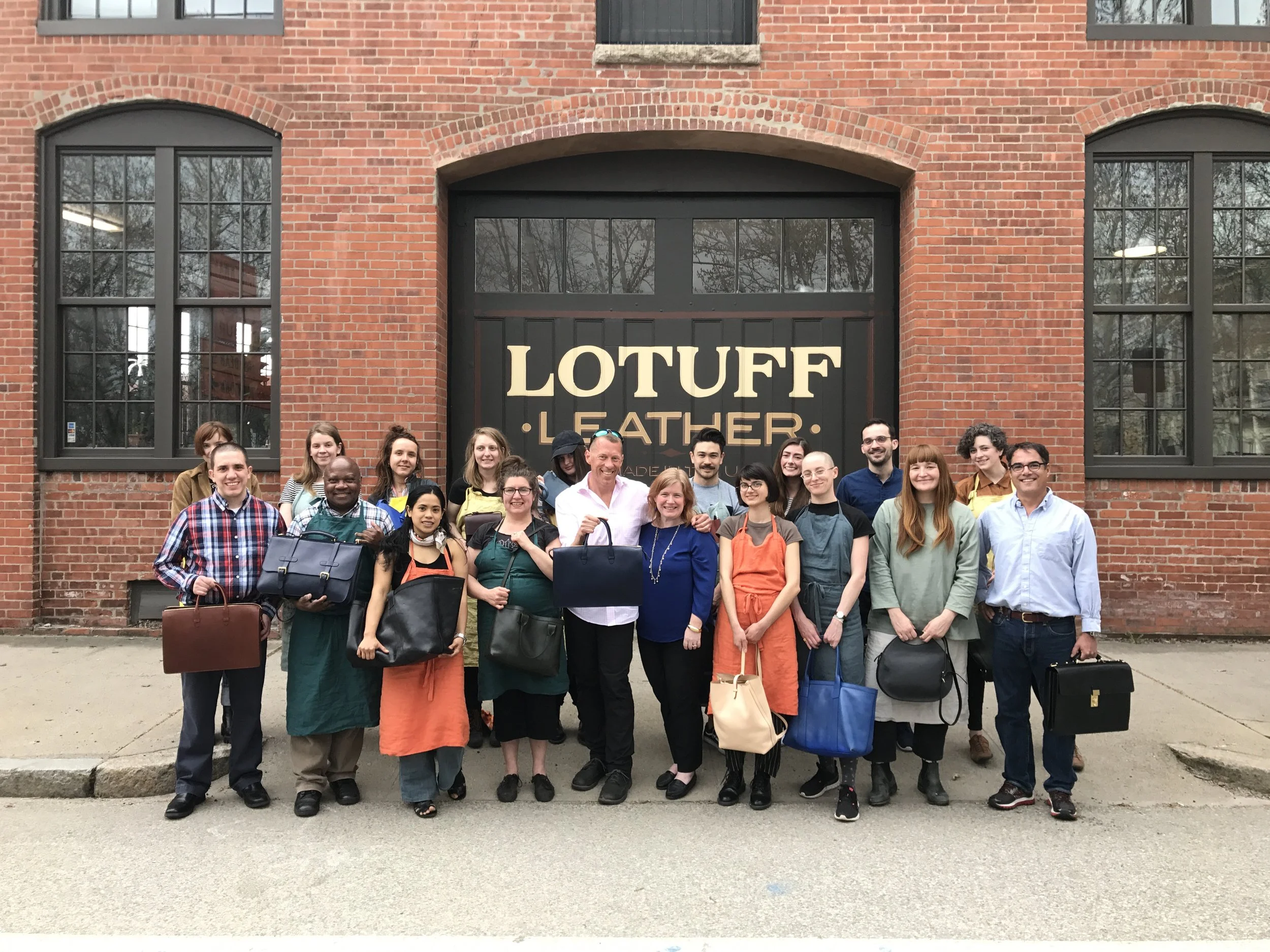
Whether we were filming coffee in Miami, apparel in Philadelphia, leather goods in Providence, or manufacturing in Los Angeles, I began to understand how much of a community’s identity lives inside its small businesses.
I also developed an enormous respect for the people behind them.
The Relationships Outlasted the Films
What I never anticipated was how many of these relationships would continue long after the cameras were packed away.
Many of these business owners are people I now call friends.
When I find myself back in their town or city, I make it a point to see them. We talk about business, but we also talk about life. I’ve watched their companies grow, their careers evolve, and their families change.
Some of those relationships have even come full circle professionally.
One of those people is Natalie Kaddas of Kaddas Enterprises. I originally met Natalie when I profiled her business in Salt Lake City. What began with me telling the Kaddas story grew into a friendship and, years later, a professional relationship. Today, Kaddas Enterprises is a client of my own company, and Natalie is someone I’ve stayed close with well beyond that original film.
That evolution means a lot to me. We met because I was trusted to tell the story of her business. Years later, she trusted my business to help continue telling it.
Another example is Ellen McNulty Brown, who was leading Lotuff Leather in Providence when I first met and profiled her. Ellen later started her own consulting business. We stayed connected, and over the past two years we’ve partnered on two large-scale video projects in Massachusetts.
I love that progression.
These weren't simply projects or transactions. The film was often the beginning of a relationship, not the end.
And there’s another part of this story I never could have anticipated.
Today, I’m one of them.
Becoming a Small Business Owner
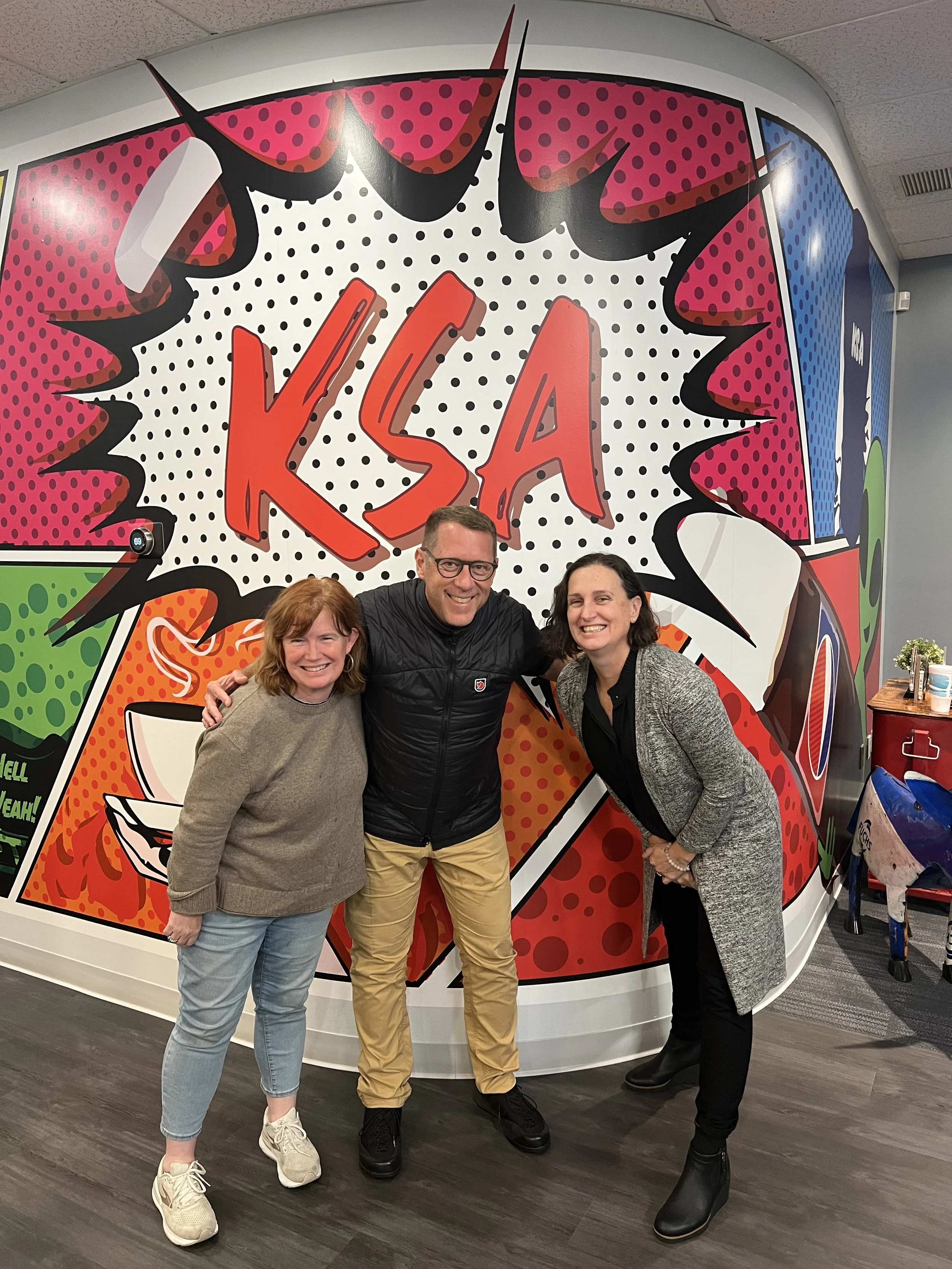
After spending years interviewing entrepreneurs about taking risks, building teams, finding customers, and betting on themselves, I eventually started my own business.
Suddenly, those conversations felt different.
I understood the responsibility of building a team. I understood the importance of relationships and reputation. I understood the uncertainty that comes with running a business and why these owners spoke about their companies with such pride.
Looking back, I recognize that those 60-plus entrepreneurs were teaching me about small business long before I became a small business owner myself.
I just didn’t know it at the time.
I watched how they treated employees and customers. I heard them talk about resilience when things didn't go according to plan. I saw the pride they took in creating something from nothing.
And I saw how much relationships mattered.
Today, I draw on many of those same lessons as I continue to build my own company.
What 60 Stories Taught Me
After more than 60 small business profiles, I don’t remember every statistic or growth percentage.
I remember the people.
I remember the pride they had when they walked me through their businesses. I remember conversations before the cameras started rolling and others that continued long after we stopped filming.
Most importantly, I remember the trust they placed in me.
Some are now friends. Some have become clients. Others have started new ventures, and our paths have crossed again years later.
I went into these businesses as a storyteller trying to understand entrepreneurs. I came away with friendships, relationships, and lessons that would eventually help shape me as an entrepreneur myself.
Maybe that’s what the American Dream looks like to me now.
It’s having the courage to start something, the resilience to keep going, and the opportunity to create something that matters to other people.
More than 60 businesses later, I’m now building my own.
And I have a much greater appreciation for every entrepreneur who trusted me enough to tell the story of theirs.